
Sabah Aluva (Director, Penmanship Research Centre for Heritage Studies)
Before alphabets, calligraphy, manuscripts, and formal systems of education and research became established, oral tradition served as one of the principal methods through which knowledge was transmitted across generations. Stories, poetry, and religious teachings communicated through oral culture paved the way for major cultural and intellectual transformations, many of which were documented only in later periods.
In the contemporary digital age, where students are increasingly distanced from traditional cultural and civilizational elements, it has become essential to create opportunities that reconnect younger generations with their heritage, identity, and historical memory. Among the most significant modes of knowledge transmission preserved within oral traditions is the methodology of storytelling developed through folklore narratives.
Even amidst the rapid expansion of artificial intelligence and technological advancement, folklore continues to offer important insights into why many developed societies still emphasize traditional learning methods for students. Across the world, folklore has shaped political, social, and cultural perspectives in ways that deeply influenced intellectual and communal environments. Particularly significant are the contributions of folklore-based storytelling traditions to the intellectual and educational heritage of the Arab–Islamic world.
Long before the advent of Islam, numerous stories, poems, and musical traditions emerging from the nomadic life of the Arabian deserts formed an integral part of Arab civilization. Historical records indicate periods during which Arabic poetic recitations were accompanied by musical expressions that reflected the distinctive aesthetics of Arabian folk culture. The storytelling traditions that existed in pre-Islamic Arabia were later incorporated into Islamic cultural life, especially during the eras of the Caliphates, including the Umayyad and Abbasid periods, which paid considerable attention to preserving and developing these traditions.
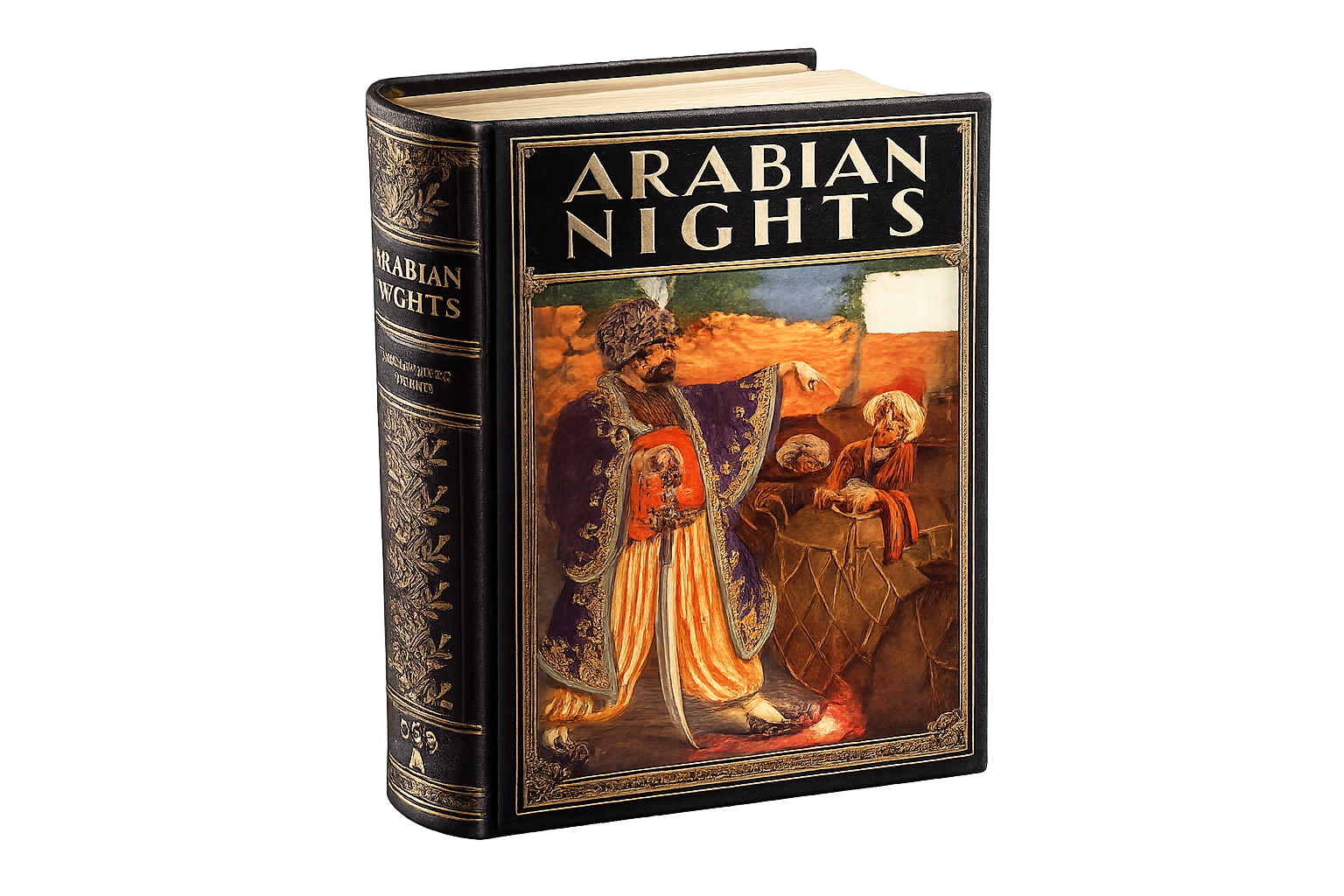
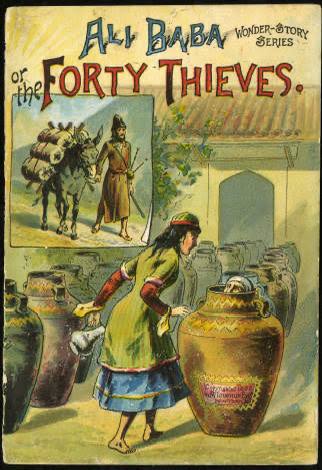
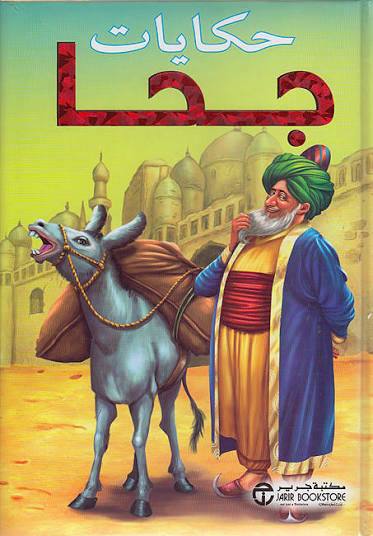
Why do the lessons transmitted through folklore stories within Arab–Islamic educational traditions remain relevant even today? Works such as Aladdin and the Magic Lamp, Kalila wa Dimna, Ali Baba and the Forty Thieves, the Juha stories, Sufi narratives, and the voyages of Sinbad the Sailor are globally recognized as intellectual treasures that simultaneously entertain and provoke critical reflection.
Animals, alongside human characters, also played important roles in storytelling traditions. The moral tales of the Indian Panchatantra gained widespread acceptance throughout the Islamic world after being translated into Persian, eventually influencing the development and popularity of Kalila wa Dimna across multiple linguistic and cultural regions.
One of the enduring contributions of folklore within Arab–Islamic educational traditions is the resilience and survival ethics reflected in the humorous Juha narratives. These stories, along with many other folklore traditions, emphasize diverse dimensions of character formation and moral development rooted in universal human values. Just as Arabic scripts and calligraphic traditions were transmitted across regions, folklore narratives also traveled from India to Persia and later into numerous other languages and civilizations through translation and adaptation.
Within Arab–Islamic educational frameworks, pre-Islamic Arabic poetry (Jahiliyyah poetry) and tribal narratives significantly contributed to the development of eloquence, rhetorical excellence, and linguistic mastery in the Arabic language. The widely circulated Arab maxim, “Whoever wishes to master the Arabic language should study Jahiliyyah poetry,” reflects the enduring scholarly importance attributed to these oral and literary traditions.
Another inspiring dimension of Islamic educational heritage is the contribution of Islamic civilization to urban planning and architecture. In many folklore narratives, Islamic cities themselves became central characters. Cities such as Baghdad, Cairo, and Damascus were portrayed as magnificent urban centers enriched with gardens, sophisticated infrastructure, and refined cultural life. Such narrative representations played a meaningful role in shaping global perceptions of Islamic civilization, to the extent that even later European societies became interested in studying these models of urban culture and governance.
Through folklore narratives, concepts related to trade, governance, arts, entertainment, travel, culinary diversity, social interaction, and religious teachings spread widely across the Islamic world and beyond. The historical significance of oral storytelling within Arab–Islamic educational traditions therefore cannot be underestimated.
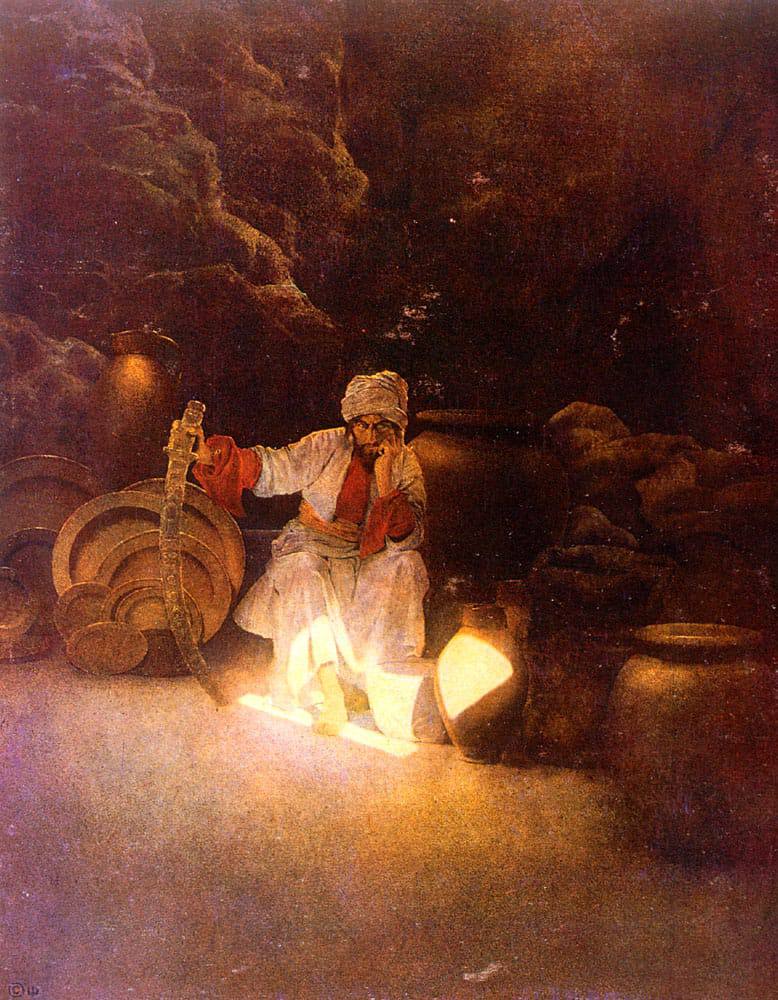
The extensive trade networks maintained by Muslim communities with regions such as Arabia, Africa, India, Southeast Asia, and China frequently became foundational themes in folklore literature. In a world where narratives of exploration are often centered on the West, the maritime adventures and expeditions represented in Islamic folklore demonstrate that travel and exploration also played decisive roles in the growth of Islamic civilization.
The influence of storytelling as an artistic and intellectual expression can also be clearly identified in later developments within Arabic literature and Islamic studies. Beyond mere fictional entertainment, folklore-based storytelling methodologies created linguistic, intellectual, and pedagogical possibilities that enriched Arabic literary culture and Islamic scholarship. Subsequent academic studies have demonstrated that these traditions contributed significantly to the development of educational and literary discourse within the broader fields of Arabic language studies and Islamic intellectual history.
Author: Sabah Aluva (Director, Penmanship Research Centre for Heritage Studies)
-----------------------------------------------
Malabar & the Folklore Stories
Long before the arrival of Islam through Prophet Muhammad, Arab traders had already established maritime connections with the Malabar coast. Through these early trade networks, the stories, wisdom, poetry, and oral traditions of the Jahiliyya period — the era preceding Islam in Mecca — as well as the rich narratives of the Islamic world, reached the shores of Malabar alongside merchants and travelers.
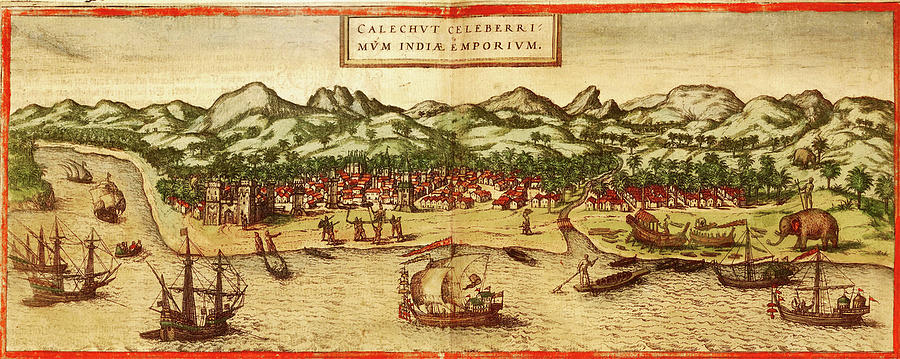
As one of the most vibrant centers of global trade, Malabar became a meeting point of cultures, beliefs, languages, and traditions, especially during the 14th century CE when the region flourished as an international maritime hub. These interactions gave rise to a unique tradition of folklore in which Arabic cultural narratives and Islamic storytelling blended with the local heritage of Malabar.
Even today, these folk stories continue to live through the storytellers of Kozhikode, preserving memories of trade, faith, morality, adventure, and human connection. Cultural initiatives and heritage movements within the city play an important role in safeguarding these oral traditions, ensuring that the treasures of knowledge passed down from generation to generation do not fade into history, but continue to inspire and provoke thought in contemporary society.
Step into the timeless world of Malabar’s folklore with City Heritage.
Get in Touch:
Visit: www.cityheritage.in
Email: mail@cityheritage.in
Instagram: cityheritage.in
Phone: +91 7356569573, +91 8377024979




 (1).png)
© Copyright 2026 City Heritage. All rights reserved.
Website designed by TNM Online Solutions.
If you have any enquiry, feel free to ask, and we'll provide you with a prompt and concise response.