

Yasin Asharaf P | Published on 21/04/2026
Mishkal Mosque in Kuttichira, Kozhikode witnessed a moment of deep historical and cultural significance as Sayyid Muhammed Koya Jamalullaili was formally installed as the new Qadi in the presence of the present Zamorin of Calicut, along with representatives of diverse religious, cultural, and trade communities of the region.
With a legacy spanning over six centuries, the Mishkal Mosque—believed to have been established by the Arab merchant Nakhuda Mishkal—stands as a symbol of Kozhikode’s long-standing connections with the Arab world and its enduring tradition of communal harmony. The appointment of the Qadi in this historic setting reflects the continuity of an institution deeply rooted in the region’s socio-religious fabric.
The event began with a traditional procession, as the newly appointed Qadi was ceremonially escorted through the streets of Kuttichira under ceremonial umbrellas, accompanied by community members. The procession passed the historic Kuttichira pond before entering the mosque, where the formal installation took place with customary honours.
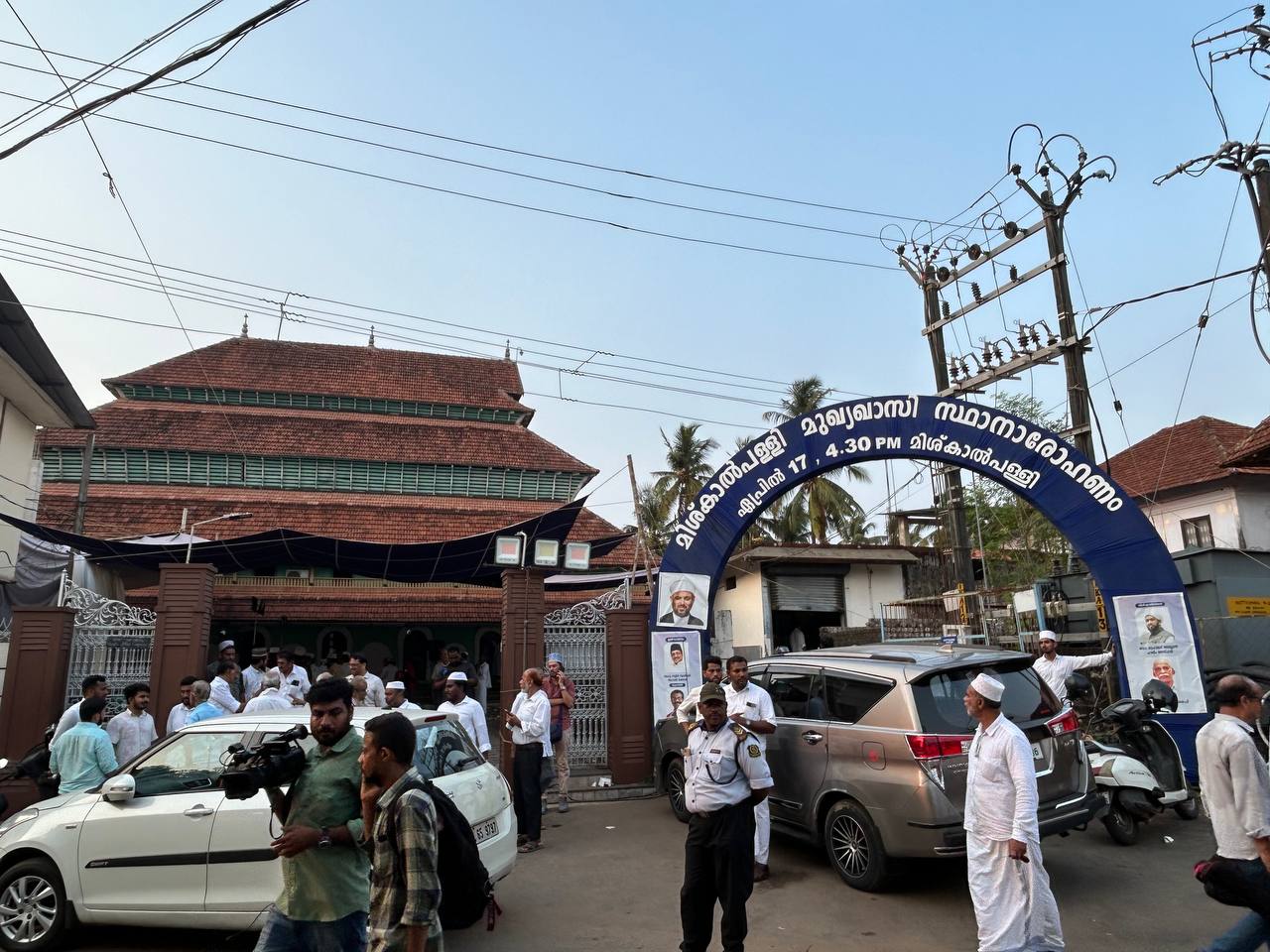
Historically, the role of the Qadi extended beyond religious duties, encompassing judicial and administrative responsibilities. In Kozhikode, the position held particular prominence, with appointments traditionally recognized by the Zamorin and later acknowledged during British rule. The Qadi of Kuttichira has long been a central figure in guiding the religious and social affairs of the Muslim community.
The ceremony also recalled the mosque’s layered past, including the destruction of its original structure during the Portuguese attack on Kozhikode. It was later rebuilt under the leadership of the Zamorin with the support of local communities, symbolizing unity and resistance. The joint efforts of the Zamorin’s forces, including the naval leadership of Kunjali Marakkar, in defeating Portuguese strongholds such as Chaliyam Fort remain an important chapter in this history.
Sayyid Muhammed Koya Jamalullaili assumed office as the 23rd Chief Qadi of Kozhikode. The formal proceedings included the presentation of traditional attire and ceremonial honours by mosque authorities, while the announcement of his appointment was marked by traditional drum beats, signifying the continuation of age-old customs.
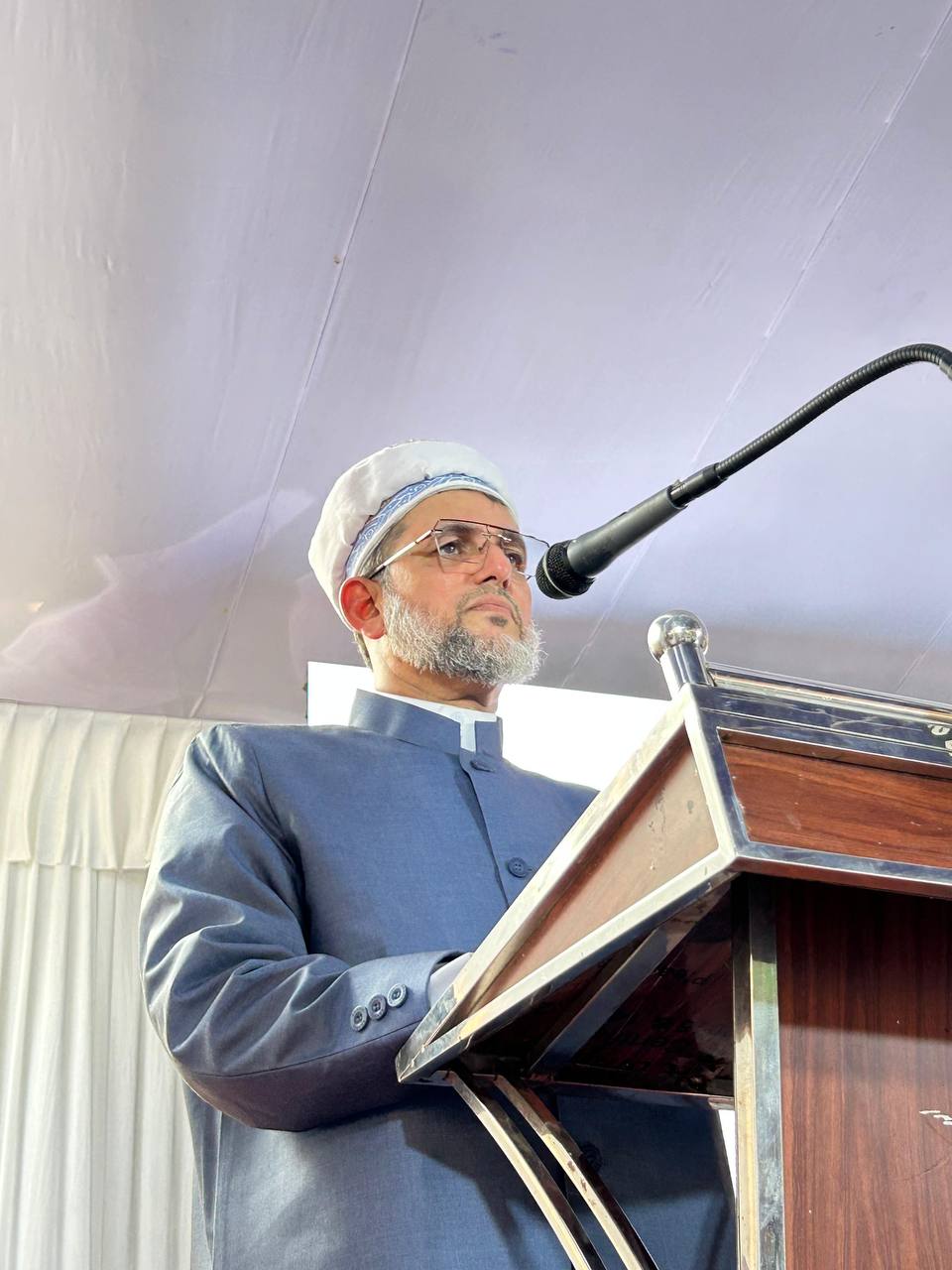
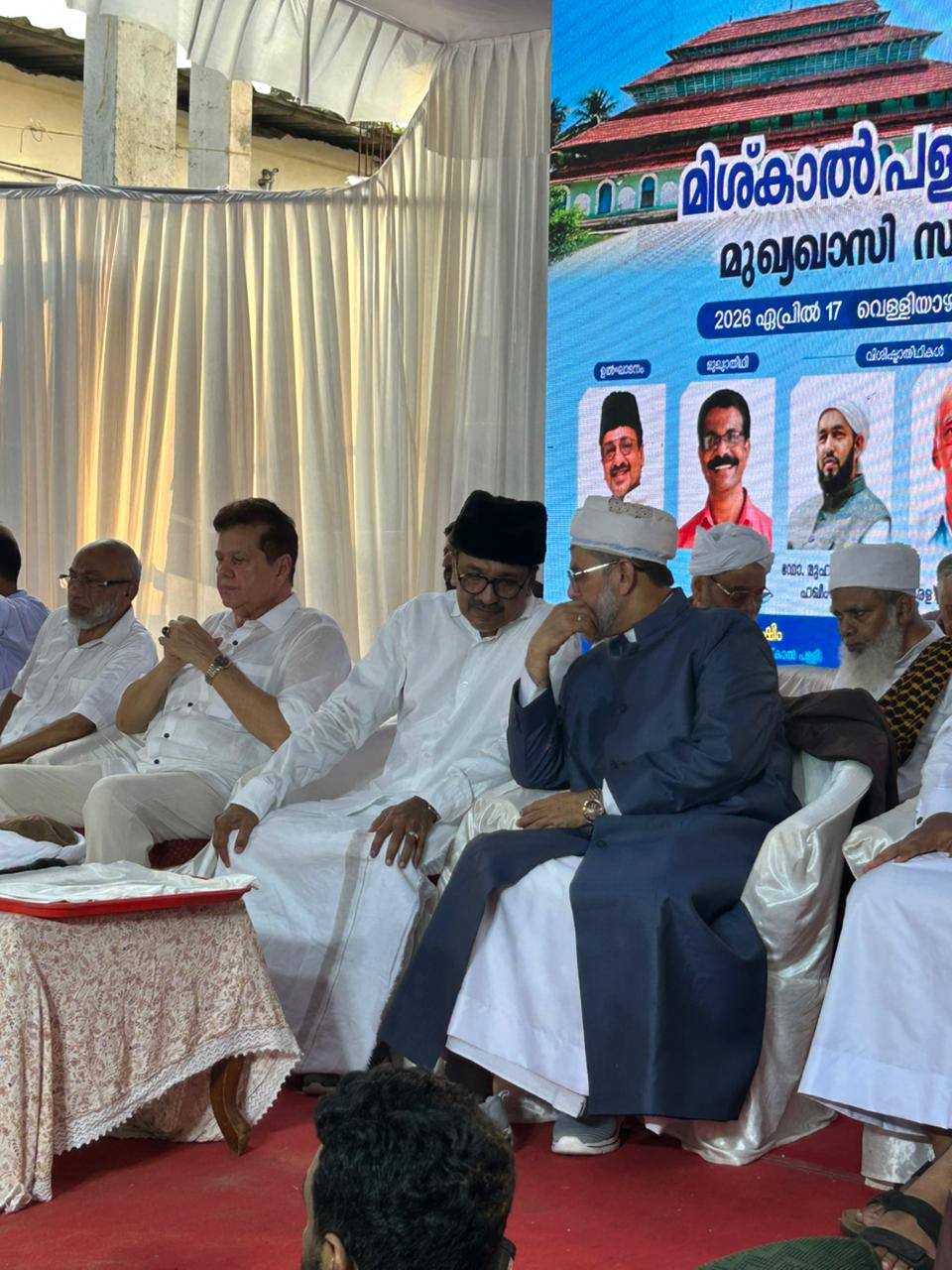
- Sayyid Muhammed Koya Jamalullaili is with Panakkad Sadiqali Shihab Thangal
The function was inaugurated by prominent Islamic leader of Kerala, Panakkad Sadiqali Shihab Thangal, who emphasized the importance of the Qadi institution as an integral part of Kerala’s Muslim heritage.
O. Sadasivan, the Kozhikode Mayor and chief guest, highlighted the mosque’s historic role in fostering unity:
“More than any other land, Mishkal has played a major role in nurturing unity, love, and mutual support among the communities of Kozhikode. It stands as a valuable heritage monument and a reminder to spread harmony and brotherhood everywhere.”
The managing director of the Markaz Knowledge City, Dr. Muhammad Abdul Hakim Azhari, reflected on Kozhikode’s historical identity and global connections:
“Kozhikode is the land of the Zamorin. The name ‘Calicut’ evolved from the Arab reference ‘Kalikooth.’ The Brotherhood existed during the Zamorin period and continues today. The Zamorin fostered trade by encouraging maritime participation and maintained strong ties with Muslim leaders such as Jifri Thangal and Ponnani Makhdoom. Their efforts extended to seeking support from Egypt and Turkey to resist Portuguese colonial ambitions.”
He also emphasized the united resistance against colonial powers, noting the combined efforts of Nair and Muslim forces in defending the Malabar coast.
Kozhikode Samoothiri Raja’s representative Kerala Varma K.P. Ettanunni Raja remarked:
“For centuries, the Zamorin family included the Muslim community in governance and trade. Many were entrusted with positions of responsibility. Mishkal Mosque continues to stand as a living symbol of religious harmony.”
The prominent historian Dr. Hussain Randathani highlighted the scholarly and spiritual lineage associated with the Qadi institution:
“This moment continues the legacy of Sayyid scholars who travelled from Hadhramaut in Yemen and Bukhara to the Malabar coast. It is remarkable that Mishkal Mosque retains its traditional architecture when many others have shifted to modern styles. It remains a living symbol of harmony, resistance, and shared heritage.”
He further noted that the mosque should serve as a centre for narrating Kozhikode’s global historical significance.
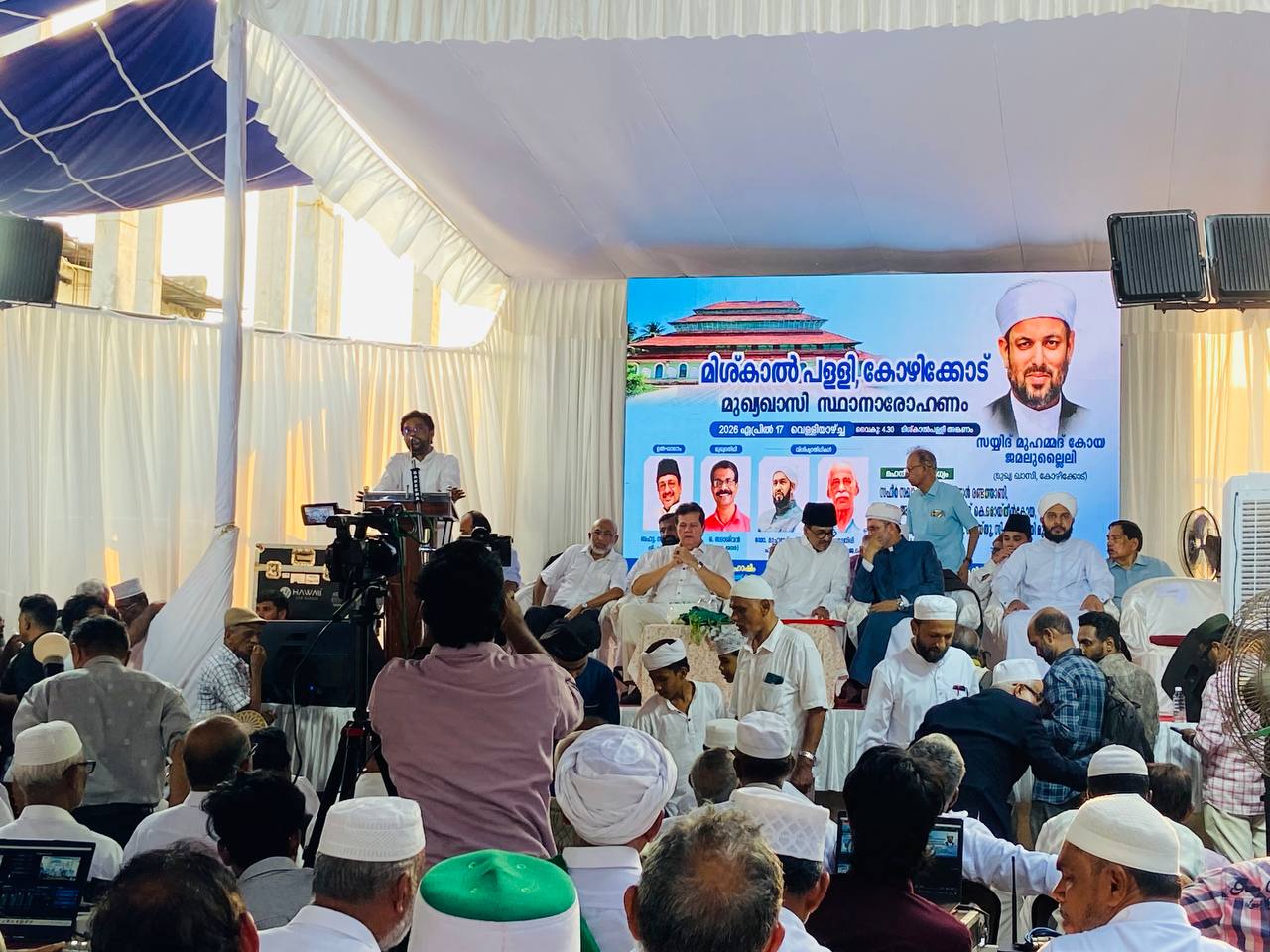
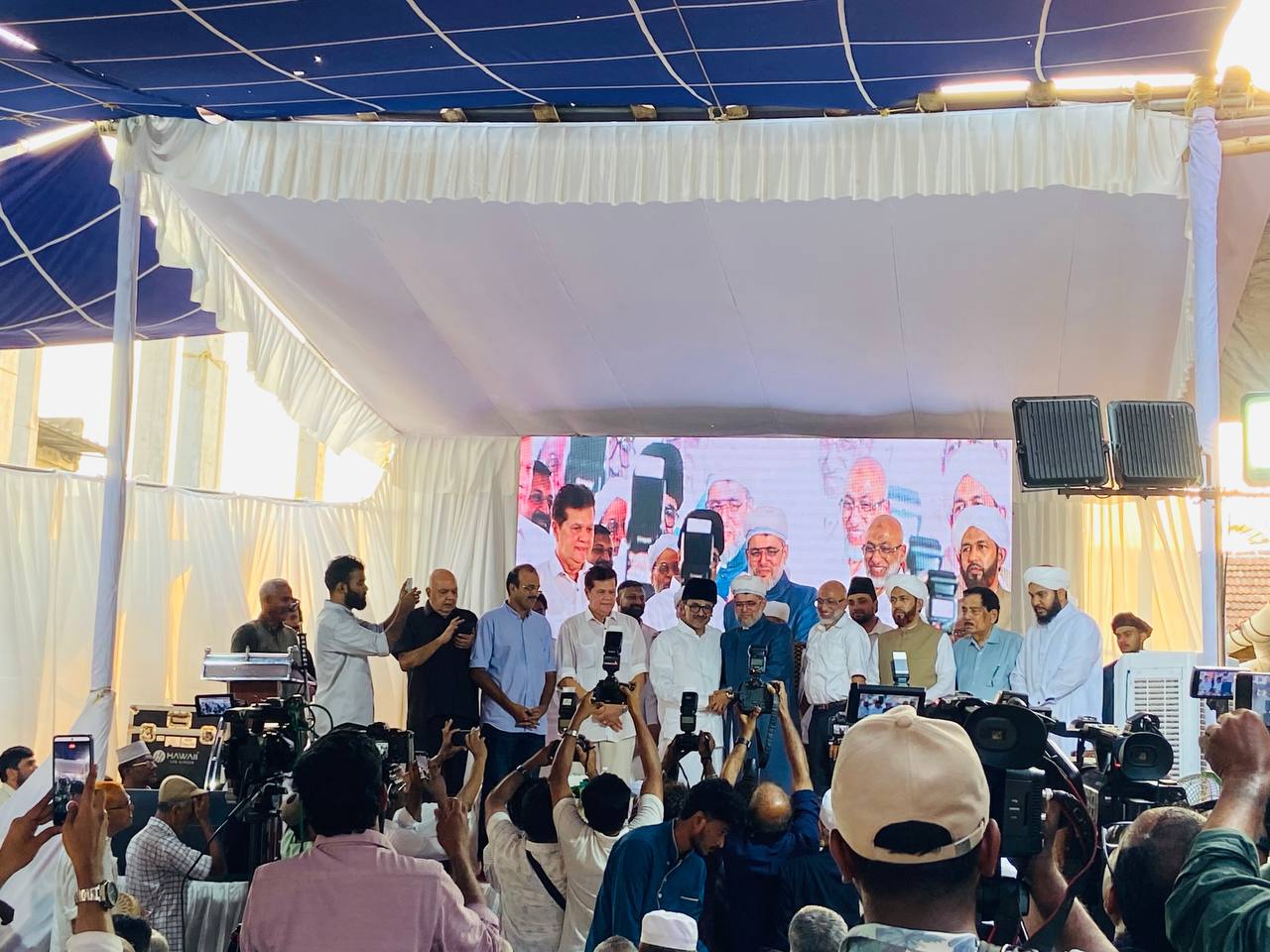
Sayyid Muhammed Koya Jamalullaili brings with him nearly two decades of experience, having begun his service as a Qadi 19 years ago and serving across more than 300 mahals in districts including Kozhikode, Malappuram, Kannur, Kasaragod, Palakkad, and Thrissur. In his address, he emphasized the responsibility of his new role:
“This is a time to strengthen religious harmony. I am committed to continuing unity, peace, and friendship among diverse communities. This harmony must be preserved through responsible leadership.”
The event saw participation from various community leaders, including representatives of the Dawoodi Bohra community such as Bohra Qasim Sheikh Abbas Bhai Maimoona, reflecting the inclusive and plural character of Kuttichira. The new Qadi was ceremonially honoured at Mishkal Mosque, where Acting President P.O. Hashim crowned him and Programme Chairman C.B.V. Siddique presented the official attire.
The event witnessed the presence and addresses of several prominent personalities, including Samastha Secretary K. Umarfaisi Mukkam, Samastha Manager K. Moyinkutty Master, Mubashir Thangal Jamalullaili, Samastha Mushavara Member A.V. Abdurahiman Musliyar, Safir Sakhafi, Councilor T.P.M. Jishan, Mishkal Mosque Secretary N. Ummer Koya, K. Moideen Koya, Dr. K. Moytu, C.A. Ummer Koya, Muhammad Ansil, and M.V. Ramzi Ismail, all of whom addressed the gathering.
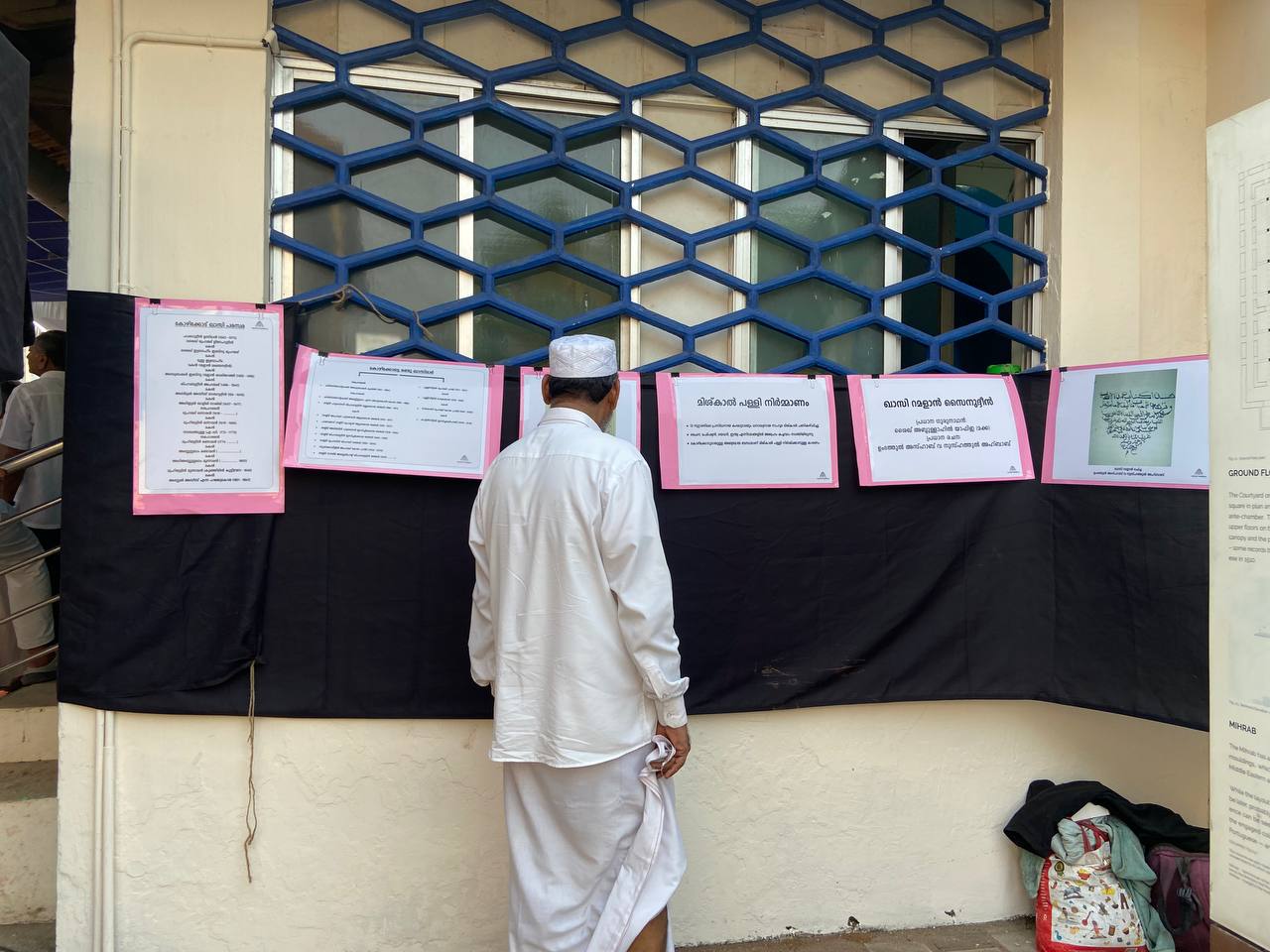
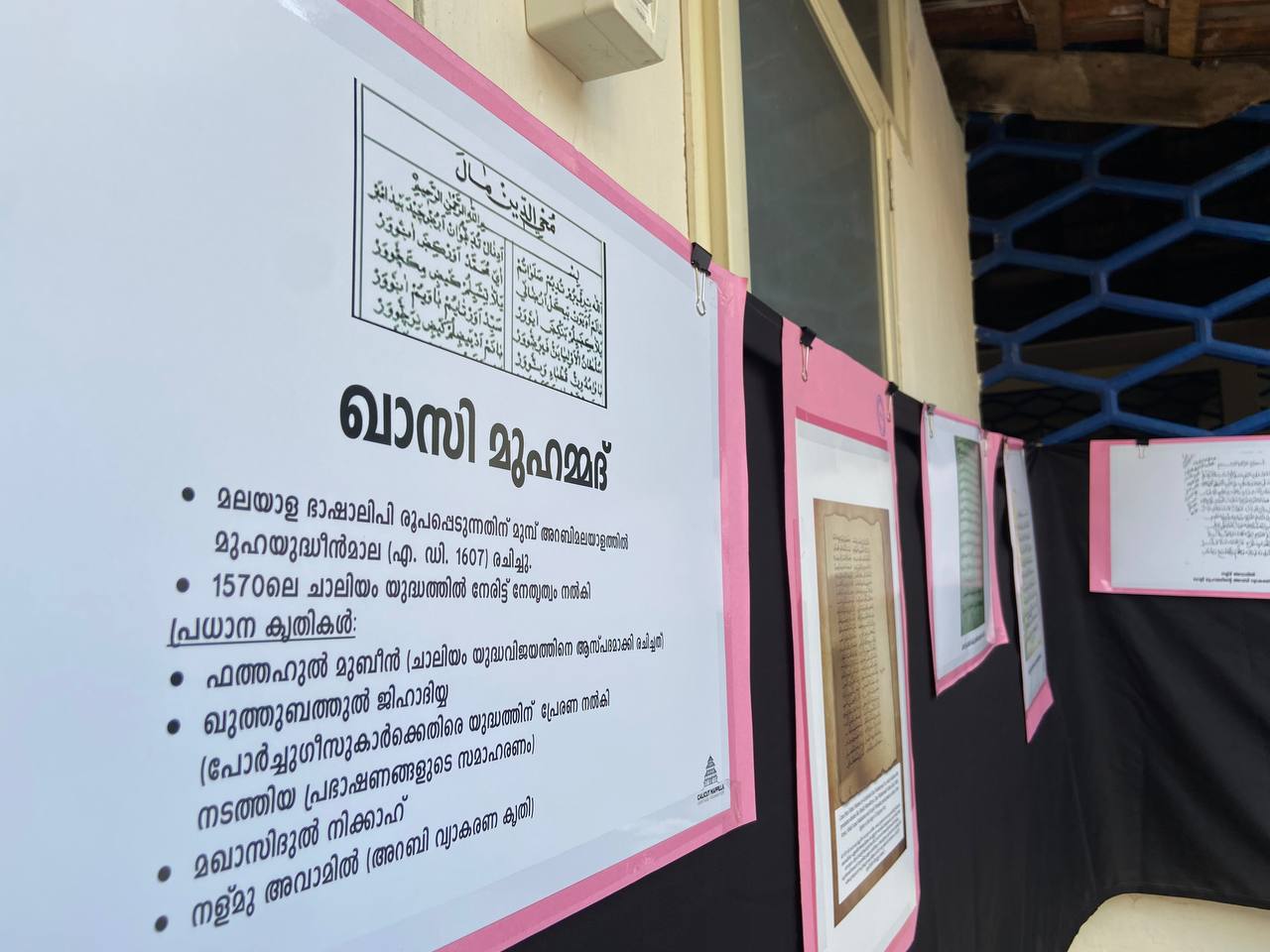
- Exhibition showcasing the historical legacy of Kozhikode’s Qadis
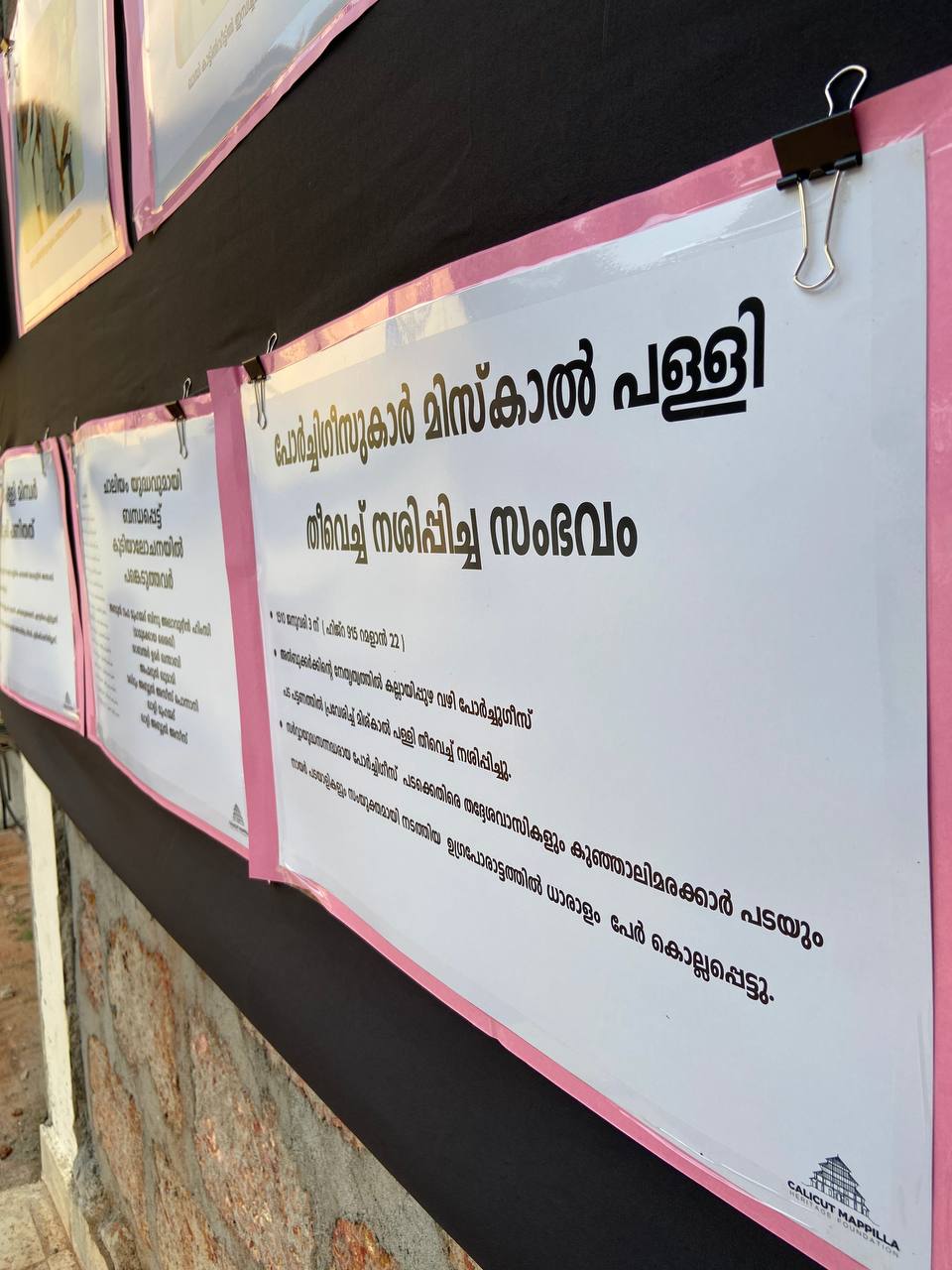
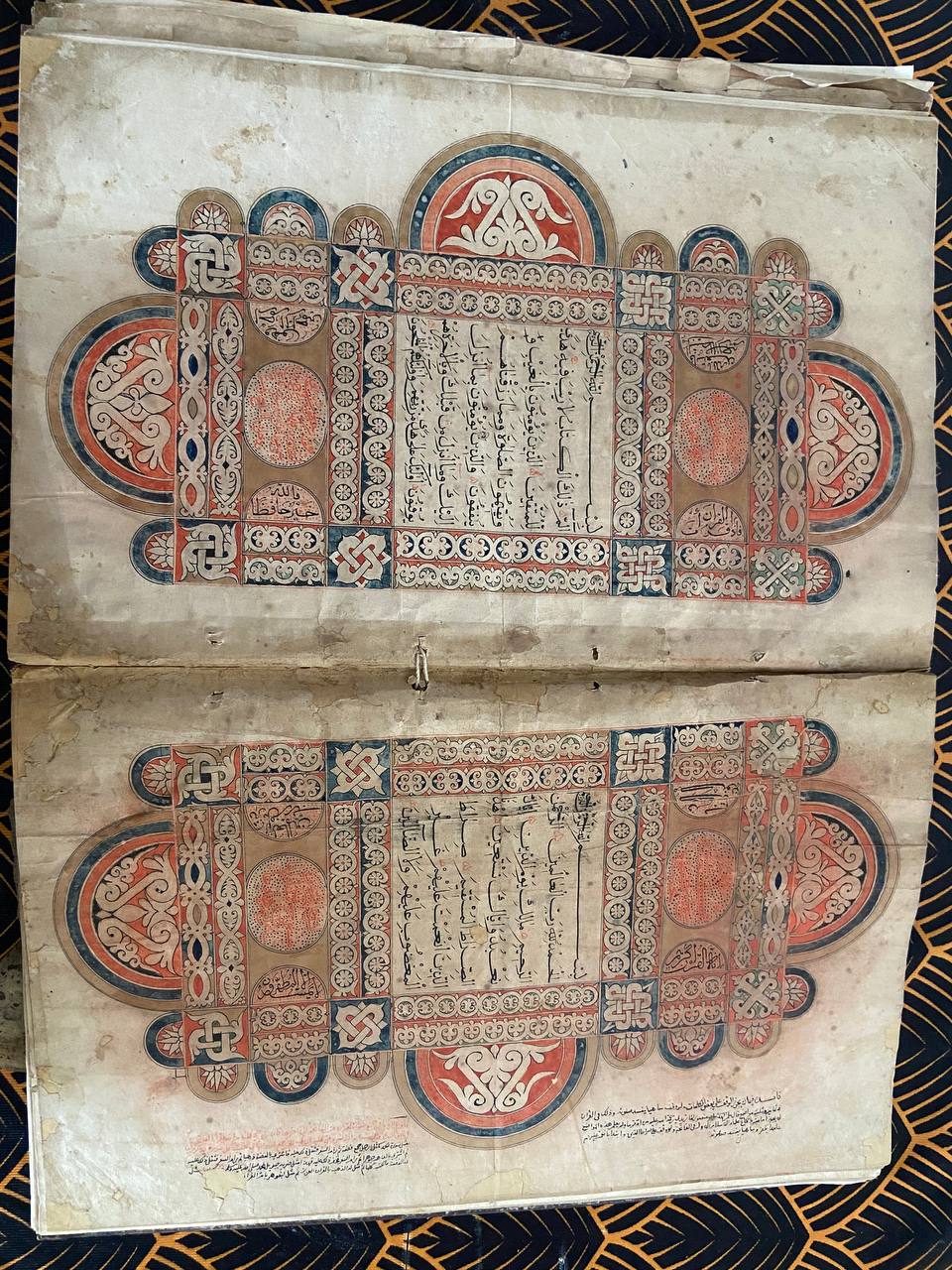
An exhibition showcasing the historical legacy of Kozhikode’s Qadis, organized by the Calicut Mappila Heritage Foundation, further enriched the occasion. The gathering, attended by large numbers of residents and community members, reaffirmed Kuttichira’s historic role as a meeting point of cultures, faiths, and trade networks. The installation of the new Qadi thus stood not only as a religious ceremony but also as a reaffirmation of Kozhikode’s enduring legacy of coexistence, resilience, and shared heritage.
Representing City Heritage, team members from Kozhikode—Haseebe Ahammed, Yasin Asharaf, and Asif—actively participated in the event from beginning to end, witnessing this historic occasion held at Mishkal Mosque.
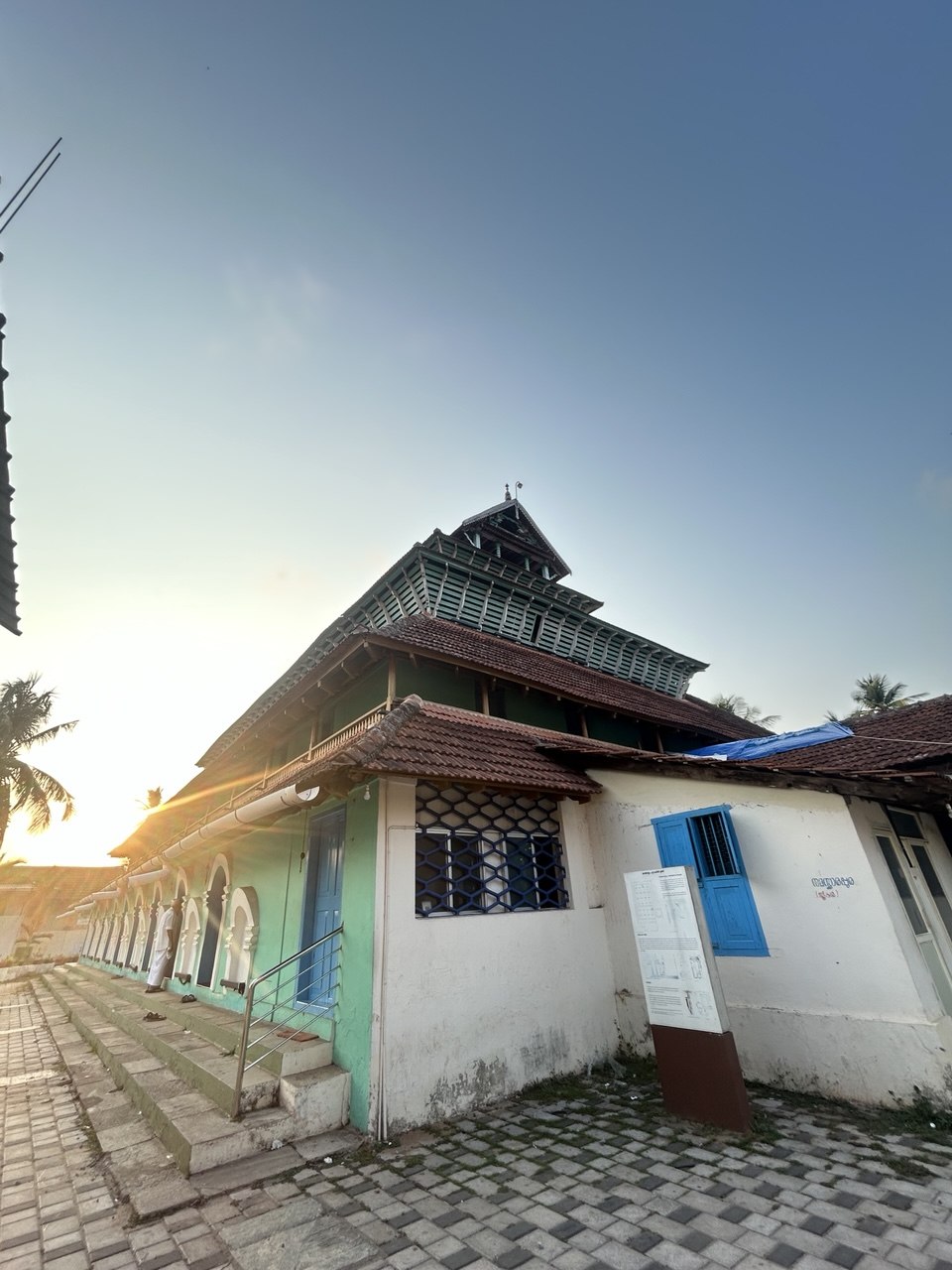
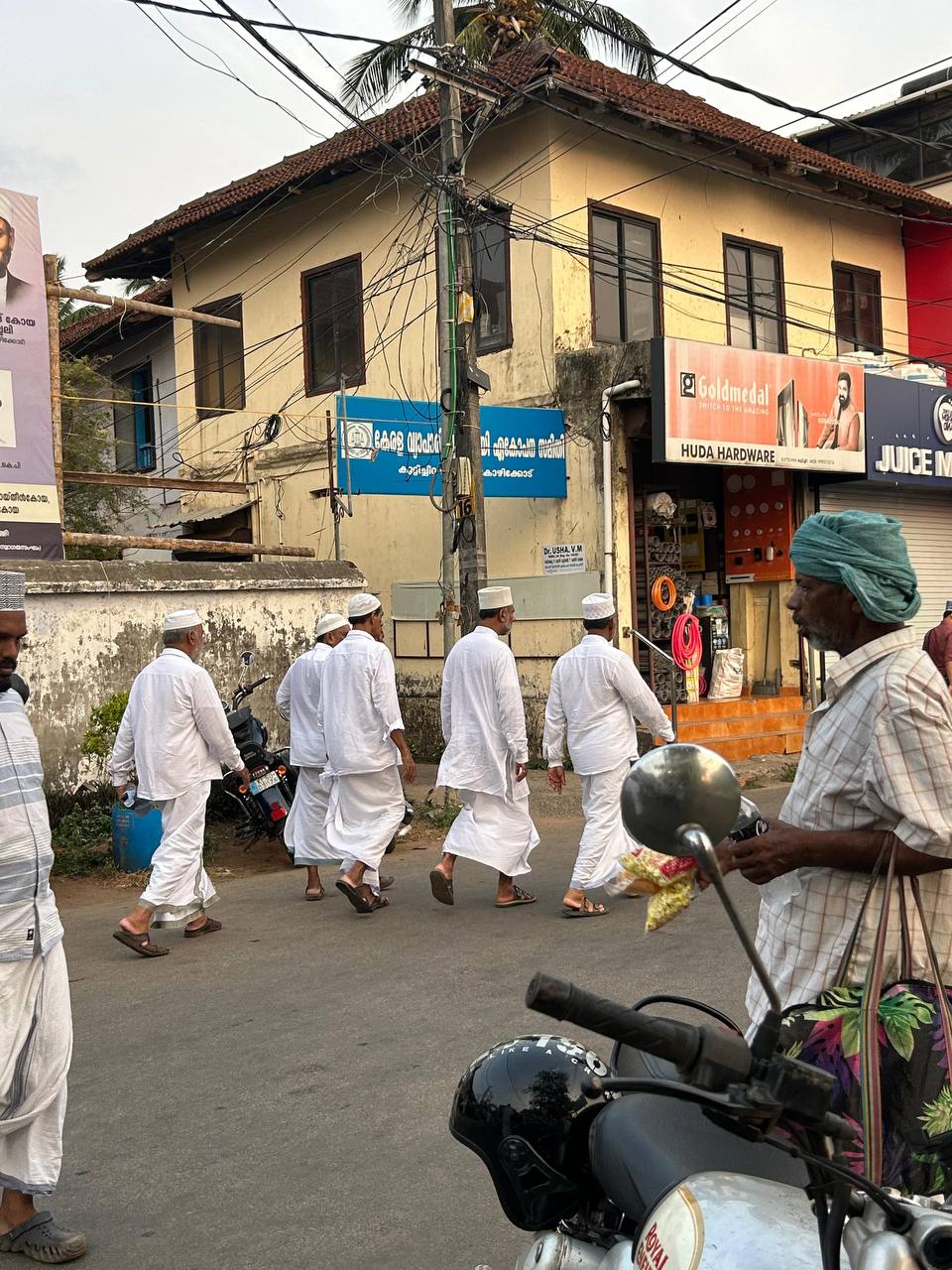
Warmly welcome to Kerala — Come & explore the living legacy of unity of Kuttichira with City Heritage.
Visit us and Contact:
Visit: www.cityheritage.in
Email: mail@cityheritage.in
Instagram: cityheritage.in
Phone: +91 7356569573, +91 8377024979




 (1).png)
© Copyright 2026 City Heritage. All rights reserved.
Website designed by TNM Online Solutions.
If you have any enquiry, feel free to ask, and we'll provide you with a prompt and concise response.