
Yasin Asharaf P | Published on 03/03/2026
The horizon of Calicut was never silent.
From the vast blue stretch of the Arabian Sea, colossal ships and graceful dhows from Arabia, China, and distant continents appeared like floating kingdoms. They anchored patiently off the coast, their sails heavy with stories, their hulls filled with treasures of the world.
Along the shore, life moved with urgency and purpose. White-turbaned Arab merchants strode through the bustling Big Bazar of Calicut, their robes brushing against sacks of pepper and cardamom stacked high like miniature hills. The air was heavy with the fragrance of spices and alive with the murmur of many tongues — Arabic, Malayalam, Chinese, and countless others — while the local traders of Calicut moved with ease between languages, speaking fluently with merchants from distant shores, as if the world itself had gathered upon their bustling streets.
Gold coins shimmered in calloused palms. Deals were sealed not just with currency, but with trust built over seasons of monsoon winds.
Small wooden boats tirelessly moved between the anchored ships and the shore, carrying sacks of spices to the waiting vessels and unloading silk, porcelain, and precious goods onto the sands of Calicut. The sea itself seemed to participate in this grand exchange, rocking gently as if blessing the commerce.
Calicut blossomed into one of the richest port towns on the Malabar Coast, during the glorious reign of the Zamorins of Calicut. Ships from distant continents arrived with the changing winds, bringing traders, travelers, and dreamers to its shores. Some came only for business and returned with the next season, while others chose to stay — building homes, raising families, and blending their beliefs, cultures, traditions, and cuisines with the rhythm of Malabar life. Calicut became more than a marketplace; it became a meeting ground of worlds.
In Kuttichira, where the grand Mishkal Mosque still stands, a unique community began to take shape. Arab traders reached these shores riding the monsoon winds, but the same winds also decided their fate. For nearly six months each year, they were bound to Malabar, waiting for the return winds to sail home. Many wealthy merchants built large houses and married local women, slowly planting roots in this new land. Around the Mishkal Mosque and the Jamaath Mosque, strong tharavadu homes rose, marking the growth of this vibrant community. Over time, a matrilineal system flourished here — for when the Arab merchants sailed back across the sea, it was the women of the house who held authority, strength, and continuity. Thus, Kuttichira became not just a trading quarter, but a living story of ocean winds, shared heritage, and enduring bonds.
Nakhuda Mishkal, an Arab wealthy merchant who reached Calicut around the 1340’s and he built the Grand Mishkal Mosque in Calicut at the same century. He was not only a trader but a proud shipowner, commanding a fleet that sailed between India, China, Yemen, and Persia. In those days, shipowners known as nakhudas were among the wealthiest and most respected figures of the Indian Ocean world. Their ships carried spices, silk, and stories across continents, tying distant lands together through trade and trust.
Islam had reached the shores of Malabar much earlier, during the very lifetime of Prophet Muhammed in Mecca — not through war or conquest, but through peaceful Arab merchants who had long-standing trade ties with the coast. In the 7th century, the first mosque in India was built at Kodungallore in Kerala, and it still stands with dignity today.
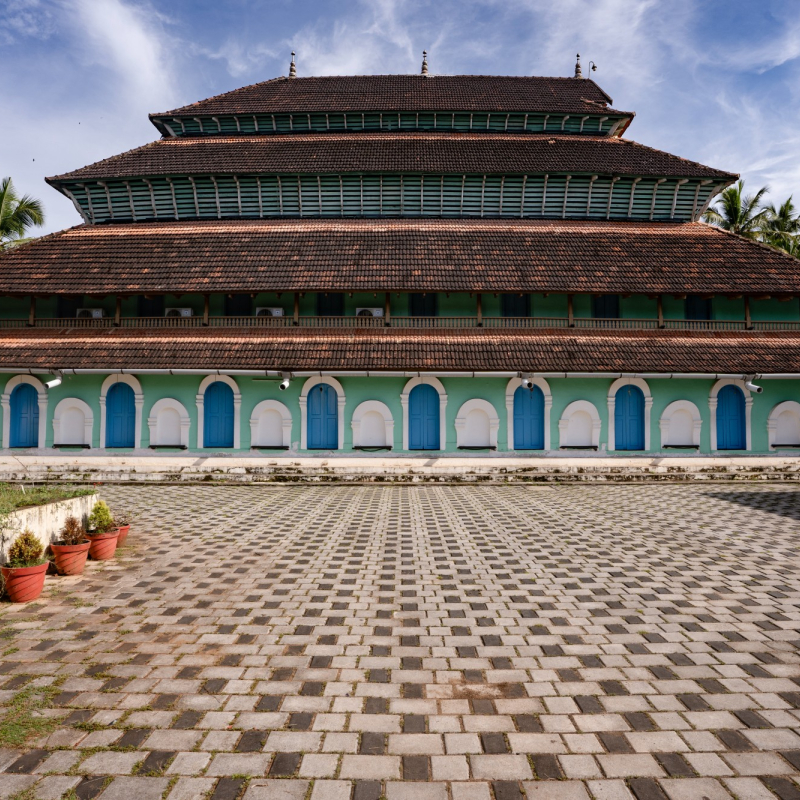
Many centuries later, in the 14th century, Nakuda Mishkal built this Mosque in Calicut. Designed in the traditional style of Kerala’s temple architecture, the mosque served not only as a place of worship but also as a center of trade and gathering. Its tall wooden structure rose high enough to be seen from far out in the Arabian Sea, helping sailors recognize Calicut from a distance — like a guiding landmark welcoming ships home.
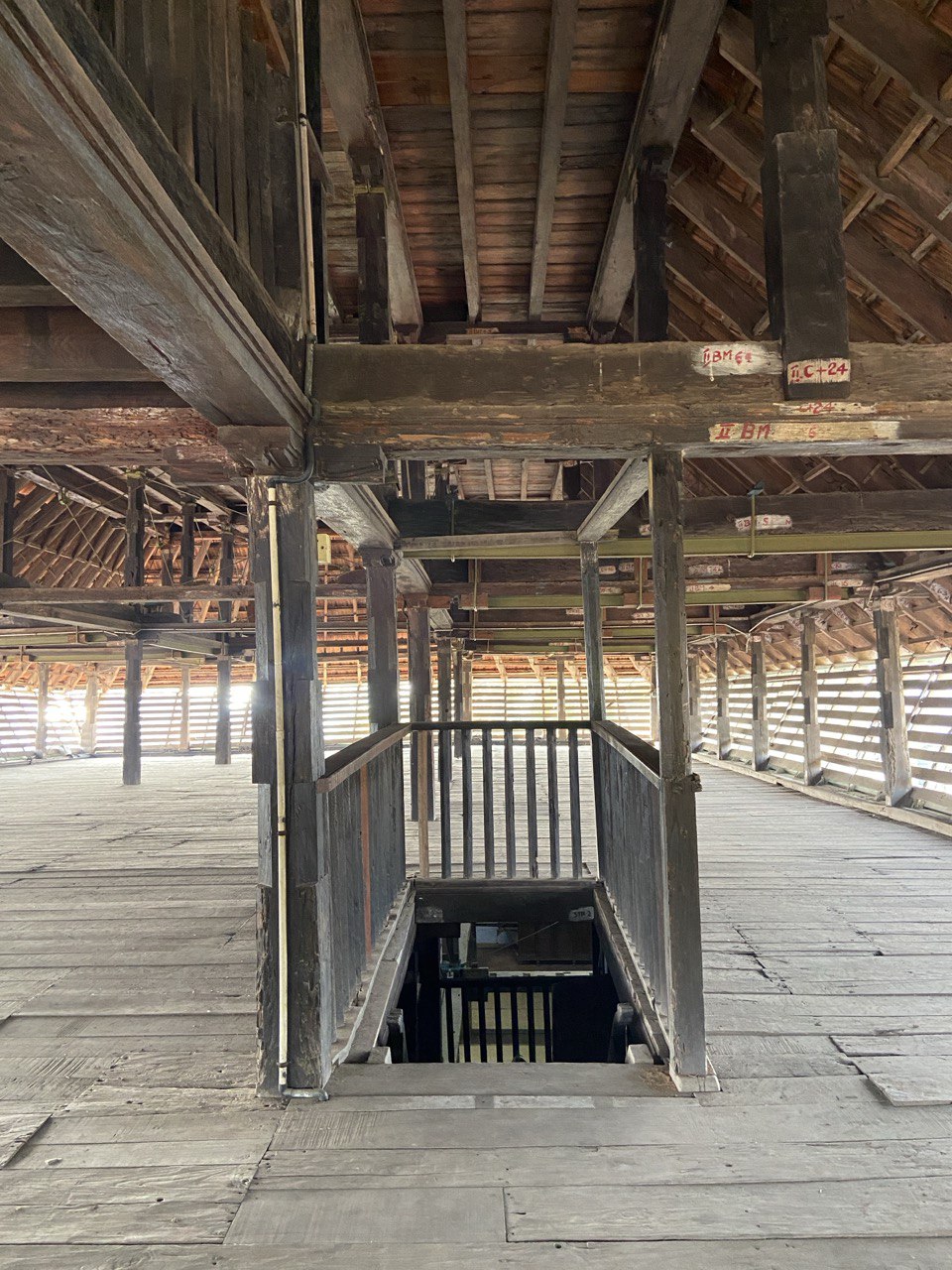
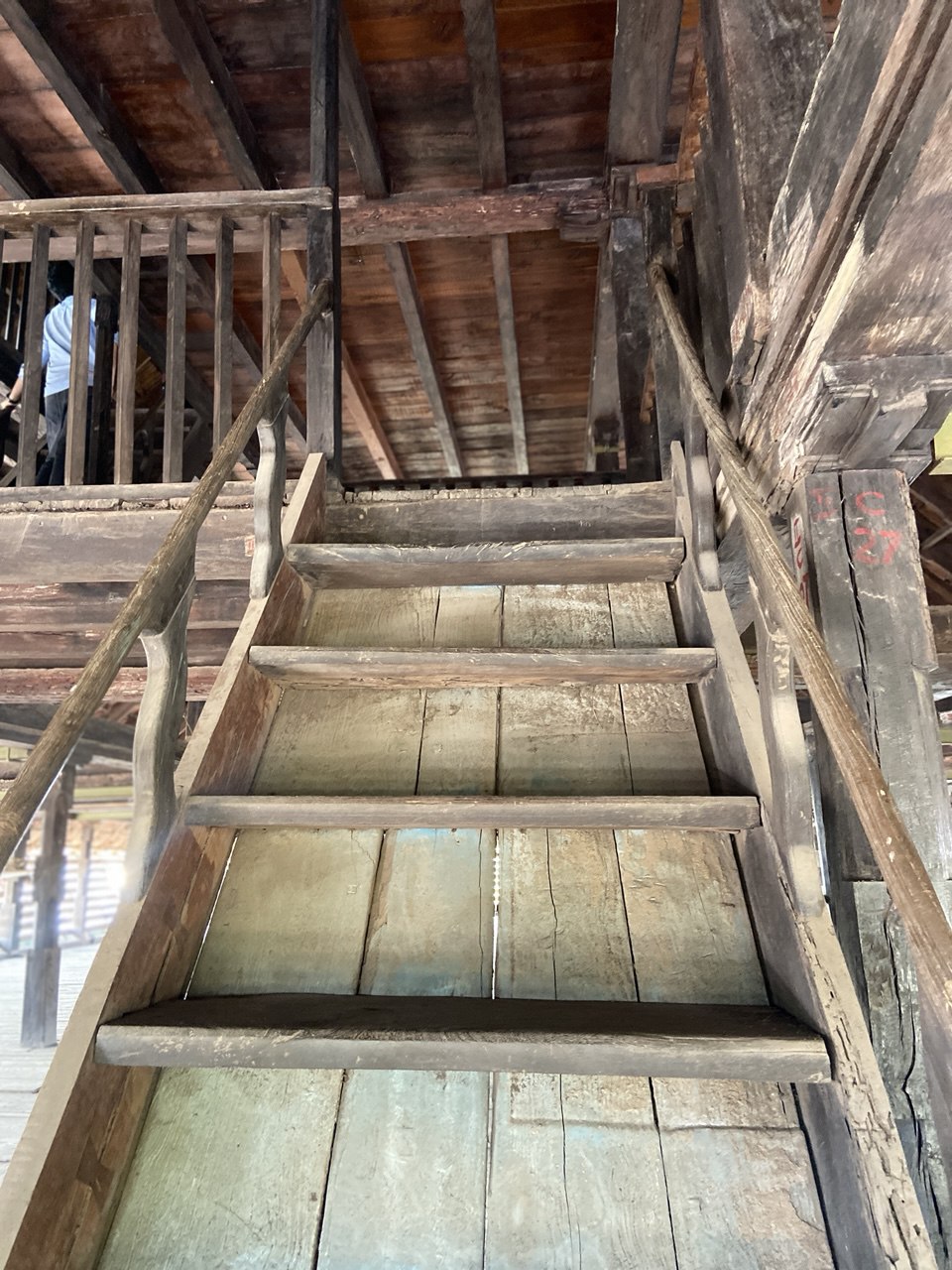
When the great mosque was planned, it was not foreign hands that shaped it, but the skilled local carpenters of Malabar — craftsmen who had long mastered the art of building temples. With the same knowledge, the same devotion to detail, they raised this mosque in the traditional Kerala style. Wood became its soul. Layer upon layer of timber formed its body, crowned with sloping tiled roofs to withstand the monsoon rains. The soil dug from the surrounding land to lay its foundation did not go to waste; over time, that hollowed earth gently filled with water and became a pond beside the mosque, reflecting its wooden silhouette.
Painted in a calm turquoise blue, the structure stood apart from many other mosques of the world. It had no towering domes and no slender minarets. Instead, it rose with multi-tiered gables and a tiled roof typical of Kerala’s architecture. Forty-seven doors opened into its prayer halls, and twenty-four beautifully carved wooden pillars held the structure firmly in place — the work of the same guilds that once built the palaces of the Zamorins. The minbar, from which the message of God was delivered, carried carvings so intricate that they echoed the motifs seen in nearby Hindu temples, quietly telling a story of shared craftsmanship. Built upon a strong stone base, with steps running along its sides, the mosque could gather nearly a thousand faithful at a time. Since 1343, its leadership has remained in the hands of the Qazis of Calicut, who have guided the mosque through centuries of change while preserving its spirit and legacy.
In 1498, when Vasco da Gama’s ships appeared on the horizon of Malabar, the sea carried not just explorers, but the beginning of unrest. The Portuguese arrived with old rivalries in their hearts, especially their long conflict with the Moors. When they saw the strong bond between the Arab merchants and the Zamorin of Calicut, it stirred anger within them. They demanded that the Zamorin expel the Arab Muslim traders from his land. But the Zamorin refused. These merchants had long been trusted partners in trade, and their presence strengthened Calicut’s prosperity. Unwilling to accept this, the Portuguese chose disruption over dialogue. Trade routes were disturbed. A ship carrying Muslim pilgrims was plundered and burned at sea. In another cruel act, a Brahmin envoy was humiliated and sent back with a dog’s ears sewn onto him — a deliberate insult meant to provoke and divide. Peace was never their intention.
By 1510, the Portuguese returned with force — nearly 1,800 soldiers marching toward Calicut to capture the Zamorin’s capital. Fierce resistance rose from the soldiers of Calicut, and the land echoed with the sounds of battle. During these attacks, the Mishkal Mosque was set ablaze. Its wooden structure, built with such devotion, was almost entirely consumed by fire. But what followed became a powerful statement in history. The Zamorin himself took responsibility for rebuilding the mosque. In defiance of those who sought to divide communities, a Hindu ruler led the reconstruction of a Muslim place of worship. It was more than restoration; it was a declaration of unity. The timber used for rebuilding was brought from Chaliyam, after the Portuguese fort there was destroyed by the united forces of Muslim and Hindu warriors. From ashes rose not just a rebuilt mosque, but a renewed symbol of solidarity on the shores of Malabar.
Even today, the centuries-old bond between the Mishkal Mosque and the present Zamorin, the symbolic heir of the Zamorin of Calicut, continues with quiet respect. Every year, the mosque committee meets him to remember the historic support once given to the mosque and the Muslim community. Small gifts are exchanged as a sign of gratitude, keeping alive the spirit of harmony and mutual respect that has shaped Kozhikode for generations.
In Kerala, harmony is not a slogan spoken on stages — it is a legacy quietly lived, day after day. Temples prepare and host Iftar meals during Ramadan, mosques open their courtyards in gracious support during Hindu festivals like Ponkala, and churches in places like Wayanad have offered their halls for Muslim prayers when hearts sought space to gather. Here, faith does not build walls; it builds doorways. Communities do not merely coexist — they participate in each other’s joys, stand beside one another in devotion, and celebrate unity in diversity as something natural to the soil itself.
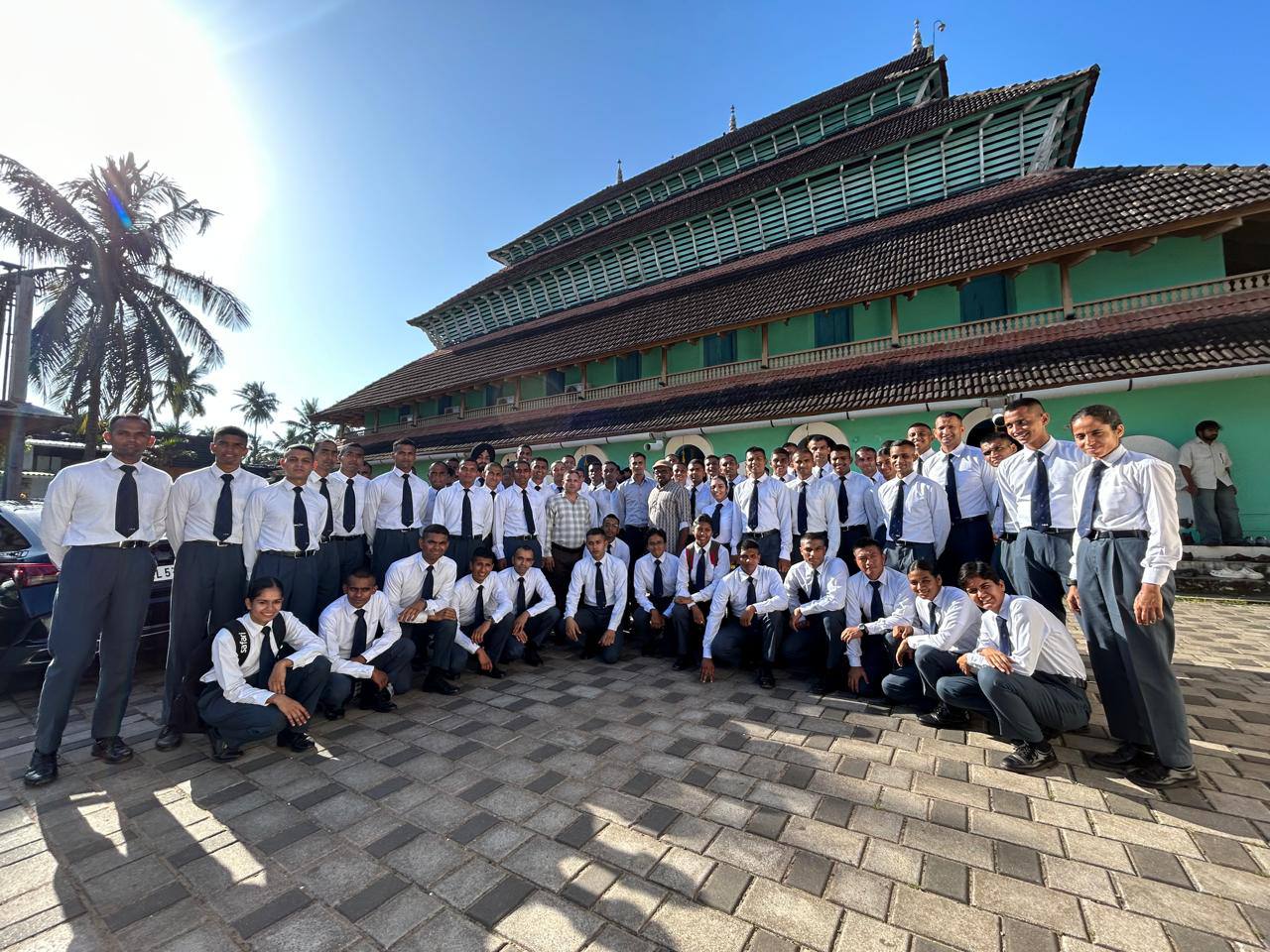
-Cadets from the Indian Naval Academy visiting Mishkal Mosque and attending a detailed storytelling session with us.
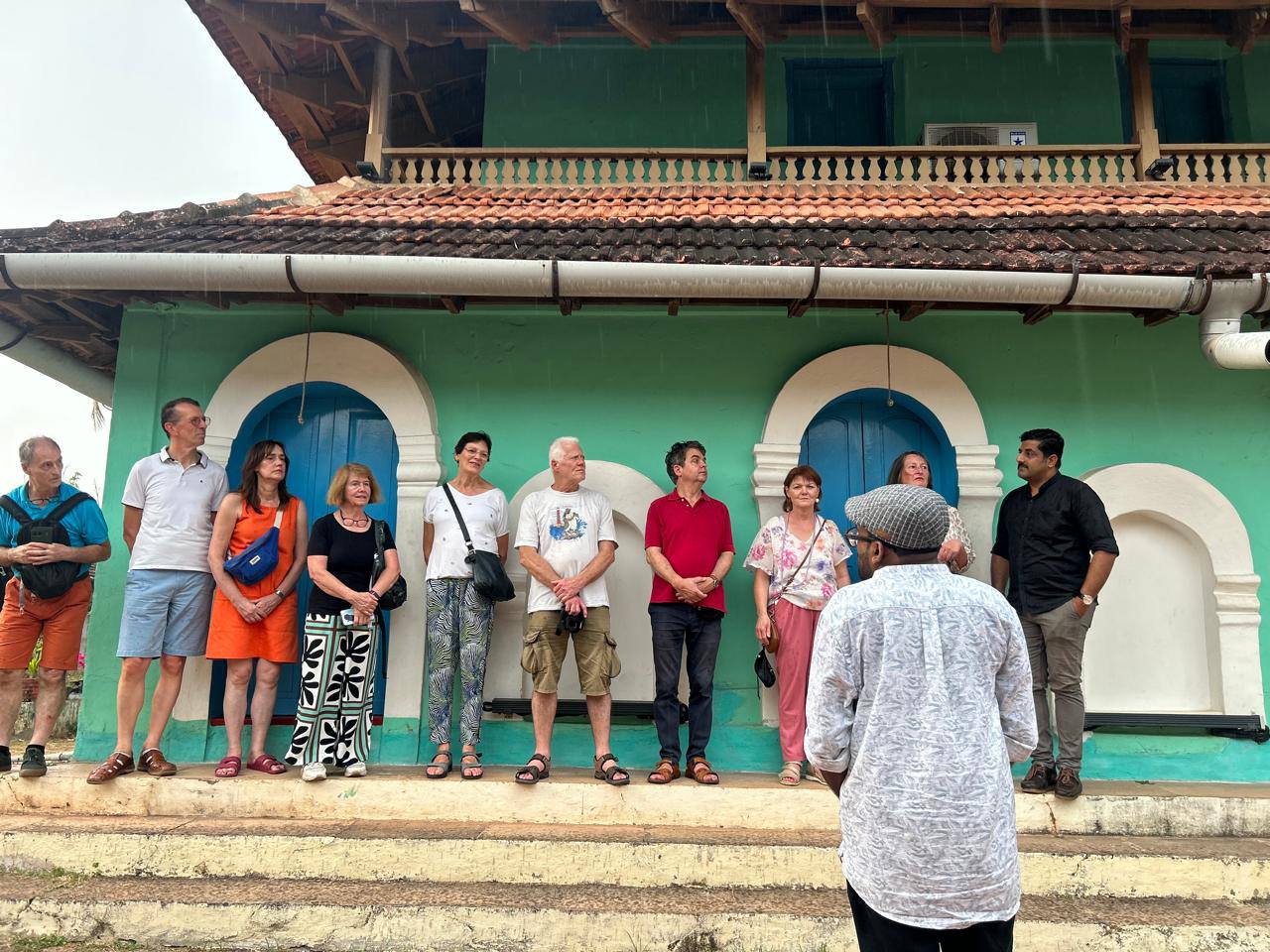
-Muhammed Shihad sharing the historical significance of Mishkal Mosque with the tourists.
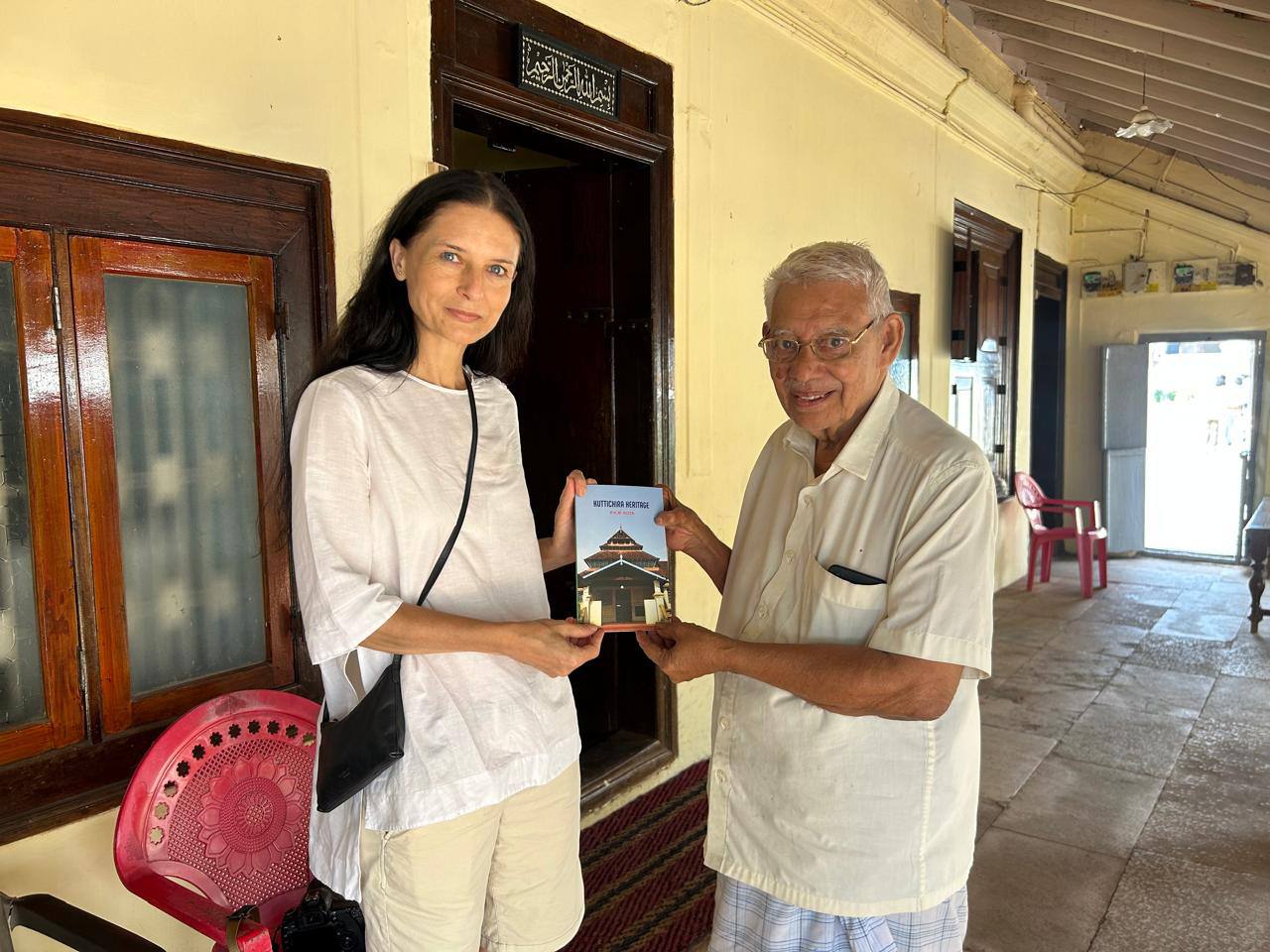
- Zuzane from Slovakia with the author KVM Koya at his resident at Kuttichira - Handing over the book on Kuttichira and Mishkal Mosque
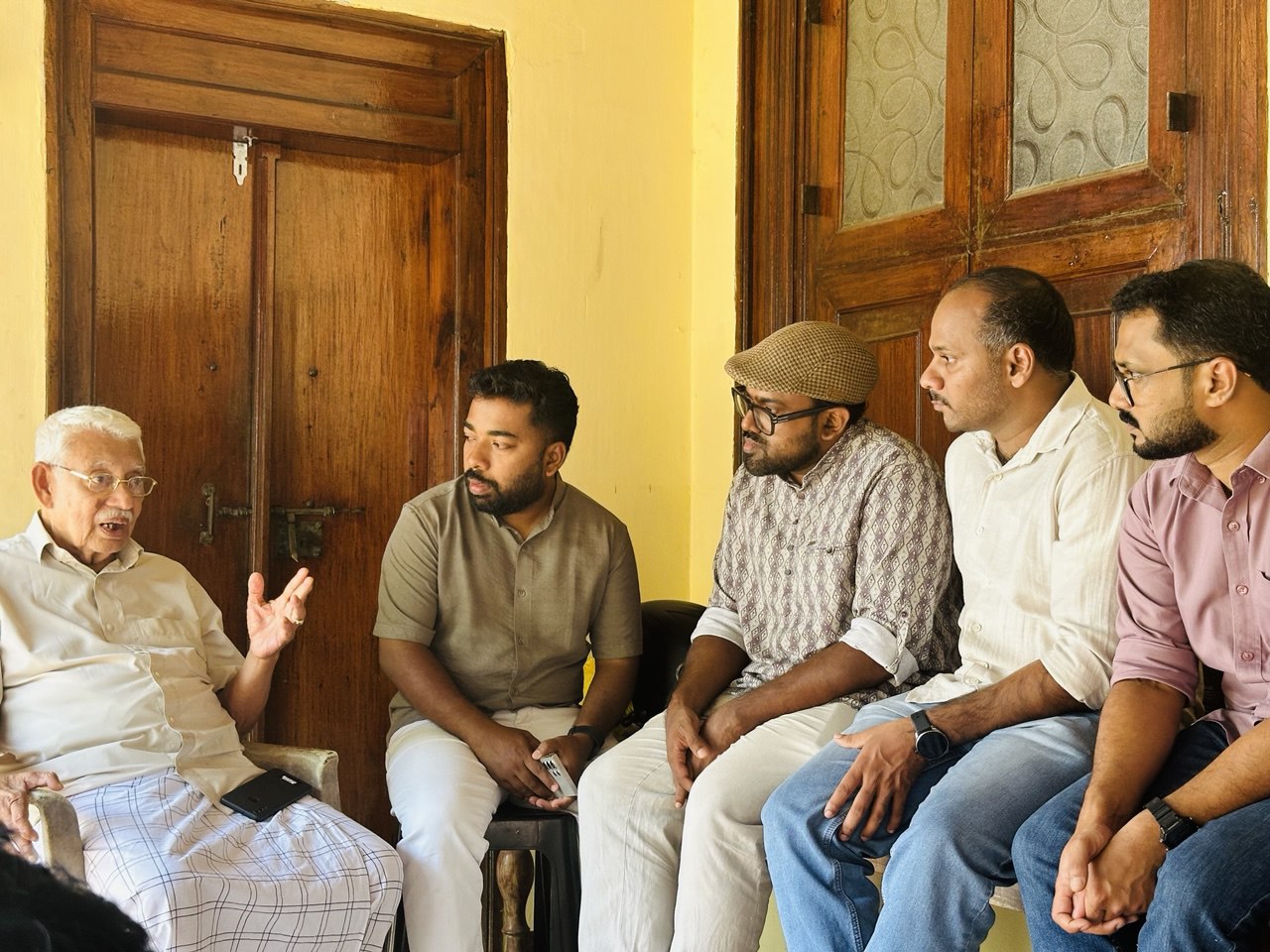
-Hearing the timeless stories of Kuttichira from the historian K. V. M. Koya.
References:
1. Recent documentation of Mishkal Mosque: Confluence of North Malabar: https://www.confluencenorthmalabar.com/blank-2
2. Mishkal Mosque: an ode to pluralism: Manu S Pillai: https://manuspillai.com/2017/09/03/mishkal-mosque-an-ode-to-pluralism-06-may-2017/
3. The Mosques of Kuttichira: http://www.sahapedia.org/mosques-kuttichira
Warmly welcome to Kerala — Come & explore its harmonious past and experience the living legacy of unity with City Heritage.
Visit us and Contact:
Visit: www.cityheritage.in
Email: mail@cityheritage.in
Instagram: cityheritage.in
Phone: +91 7356569573, +91 8377024979




 (1).png)
© Copyright 2026 City Heritage. All rights reserved.
Website designed by TNM Online Solutions.
If you have any enquiry, feel free to ask, and we'll provide you with a prompt and concise response.