
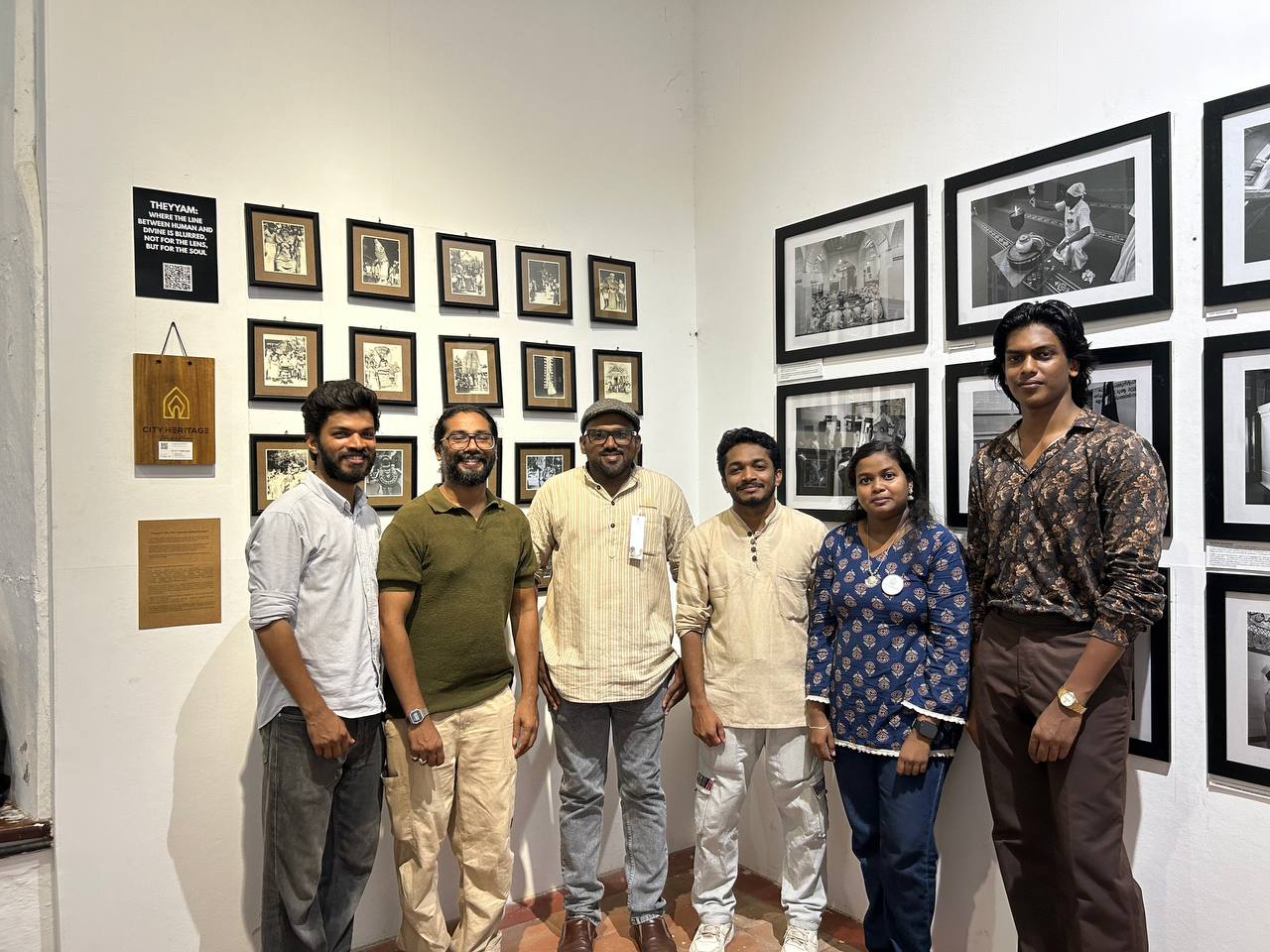
The heritage festival ‘Veru’ (The Roots), organised by Dharinni, brought together a vibrant community of cultural practitioners, researchers, and heritage enthusiasts at the historic David Hall on May 2 and 3, 2026. Conceptualised as more than just an event, ‘Veru’ emerged as a platform to understand, discuss, and protect heritage as a living and evolving practice.
The idea of ‘Veru’—meaning “root”—reflects deeper connections between land, people, and ways of life. Initiated under the leadership of Gisny George and conceptualised by Lois Christy John and Joseph J Kottukappalli, the festival grew from earlier, smaller initiatives. An interim exhibition held at Eraviperoor laid the foundation for what would later evolve into a state-wide movement.
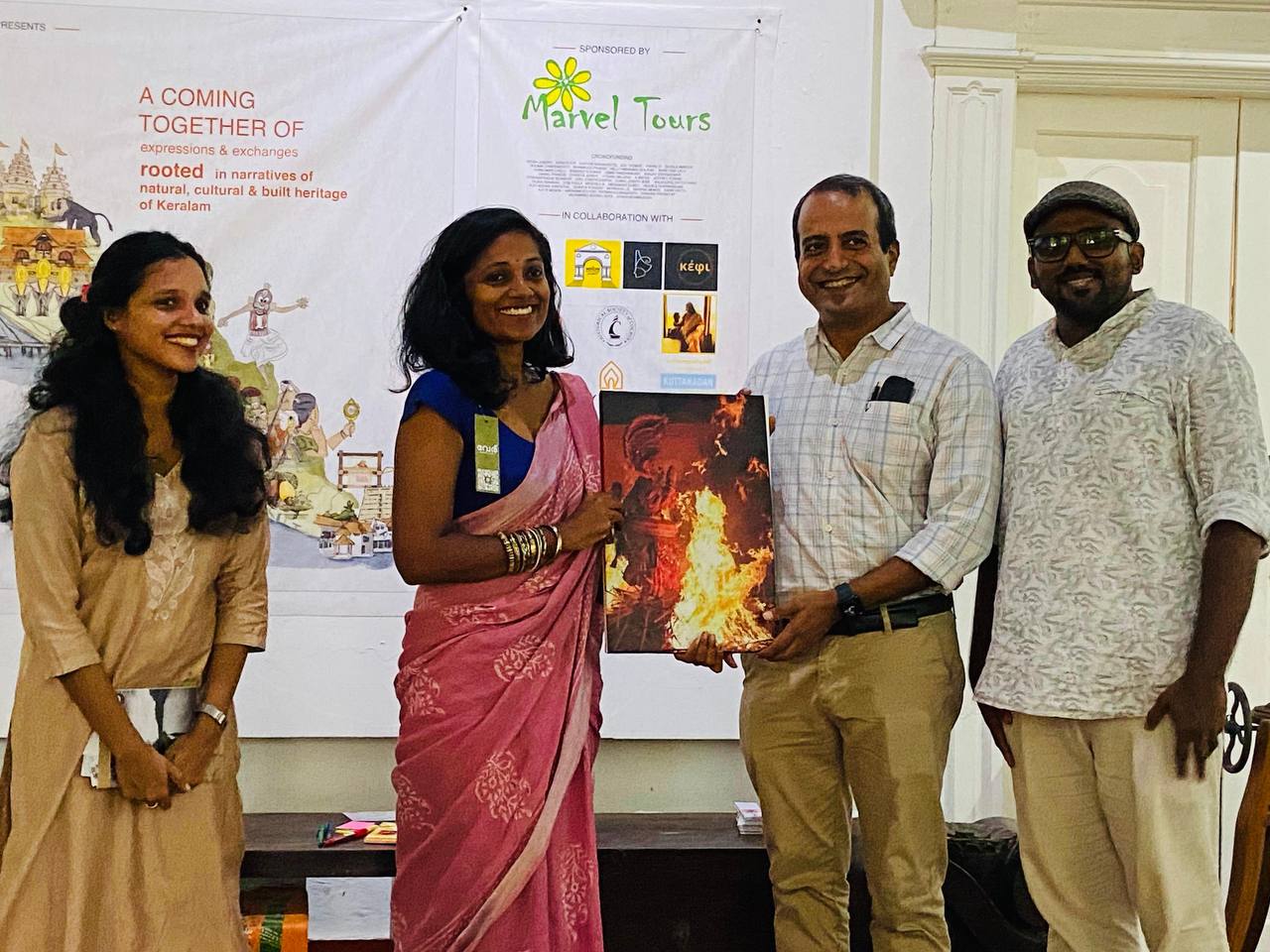
- Sejoe Jose, Founder and Managing Director of Marvel Tours Pvt. Ltd. and the event sponsor and chief guest, receiving the City Heritage memento from the Veru team—Gisny George, Lois Christy John, and City Heritage founder Muhammed Shihad.
Between November 2025 and February 2026, ‘Veru’ expanded through 18 heritage trails conducted across Kerala, from Kasaragod to Thiruvananthapuram, bringing together academicians, local historians, cultural practitioners, and community storytellers through immersive heritage experiences.
As part of this initiative, City Heritage hosted the Kannur Heritage Trail, led by City Heritage founder and storyteller Muhammed Shihad. The trail began with a culinary experience centered on Muttappom, introducing participants to the food heritage and cultural memories of the region. The walk then traced the historic landscape of Mappila Bay, the colonial history of Kannur, the legacies of the Arakkal Kingdom and Kolathiri Dynasty, and the region’s resistance movements against colonial powers.
Similar heritage walks and cultural engagements were organized across several historic towns and regions of Kerala, each exploring local histories, traditions, ecological landscapes, and community narratives. Collectively, these initiatives fostered a strong network of individuals and organisations working towards regional heritage conservation and cultural documentation, eventually culminating in the two-day gathering at David Hall in Fort Kochi.
City Heritage at ‘Veru’: Exhibition and Engagement
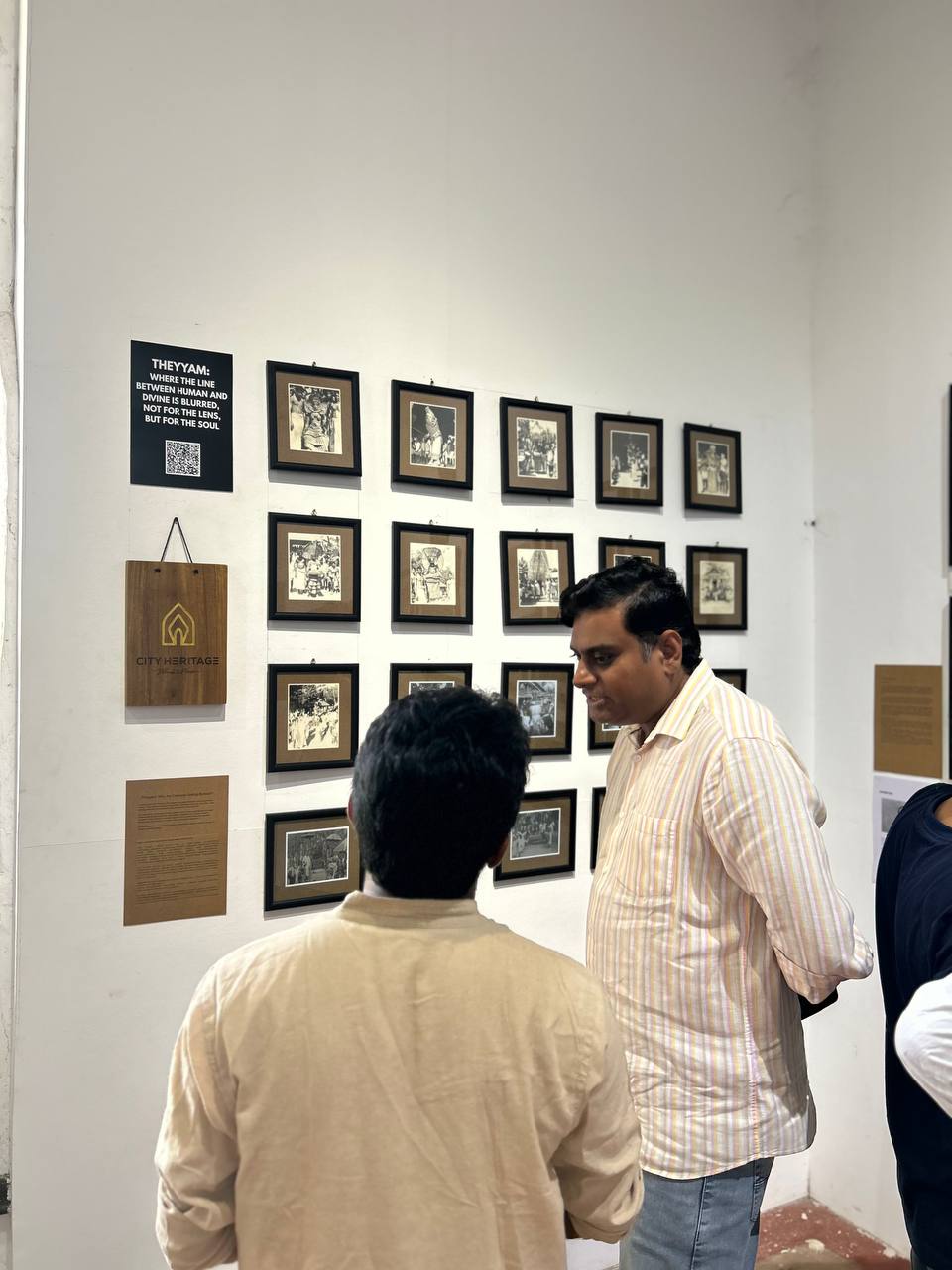
City Heritage played a significant role in ‘Veru’ as both an exhibitor and an active participant. The exhibition on Theyyam—centered around the theme “Theyyam: Why are cameras getting banned?”—emerged as one of the most thought-provoking showcases at the festival.
Rooted in centuries-old traditions of northern Kerala, particularly in Kannur and Kasaragod, Theyyam is a powerful ritual practice where performers embody deities through elaborate costumes, face painting, music, and dance. More than a visual spectacle, it represents a deeply layered intangible cultural heritage involving ritual, folklore, oral traditions, and community identity.
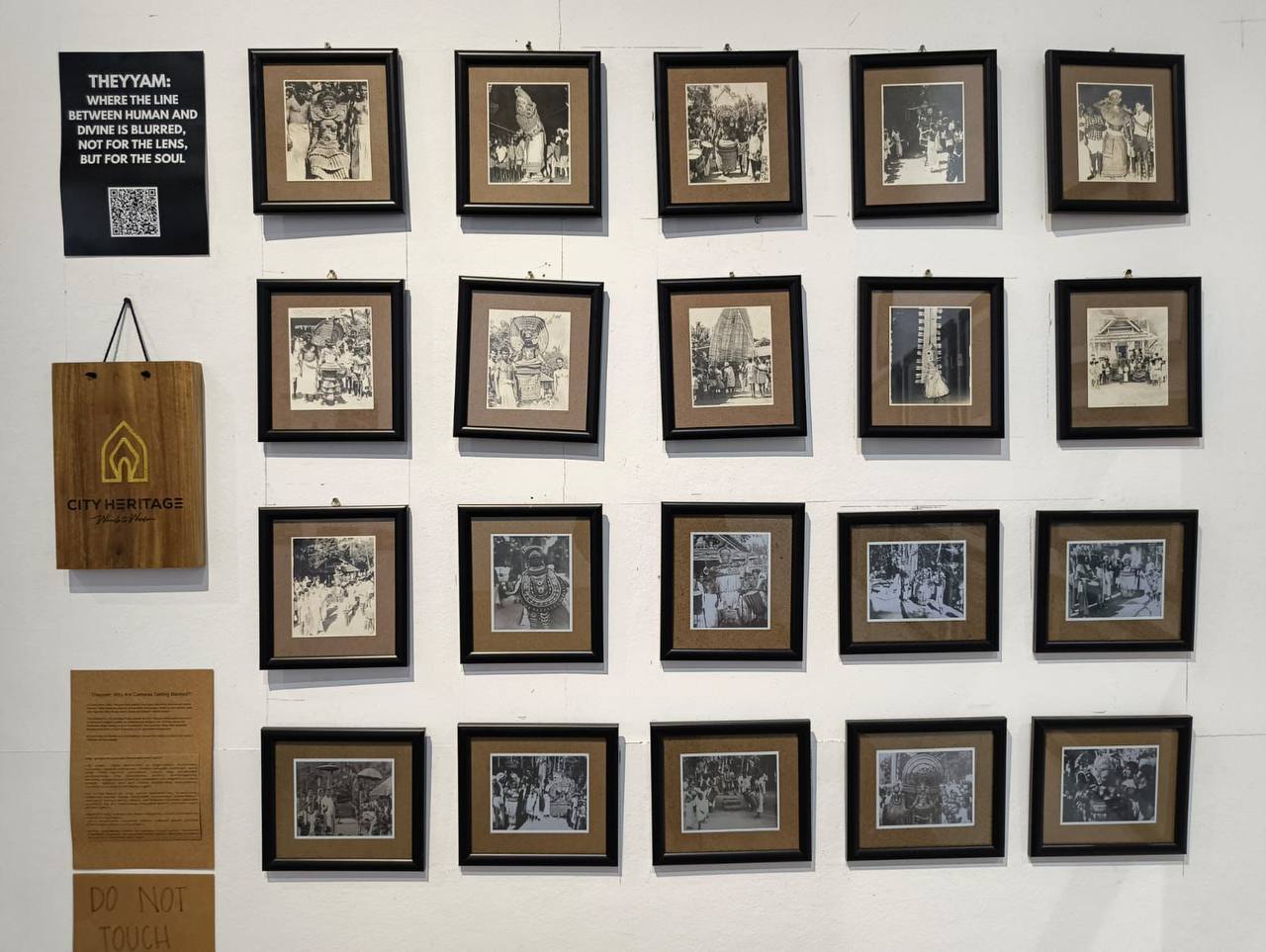
The exhibition responded to a growing contemporary concern—restrictions on photography during Theyyam performances. In recent seasons, several shrines have introduced “no photography” guidelines, reflecting concerns over increasing intrusion by vloggers and social media creators, which often disrupt the sanctity and spiritual atmosphere of the ritual.
The exhibition brings together archival and contemporary photographs of Theyyam, reflecting on the evolving role of photography in documenting living traditions. By emphasizing ritual context, community voices, and ethical engagement, it encourages viewers to see image-making as an act of respectful documentation rather than spectacle, while honouring local traditions and preserving the spirit of Theyyam as lived heritage.
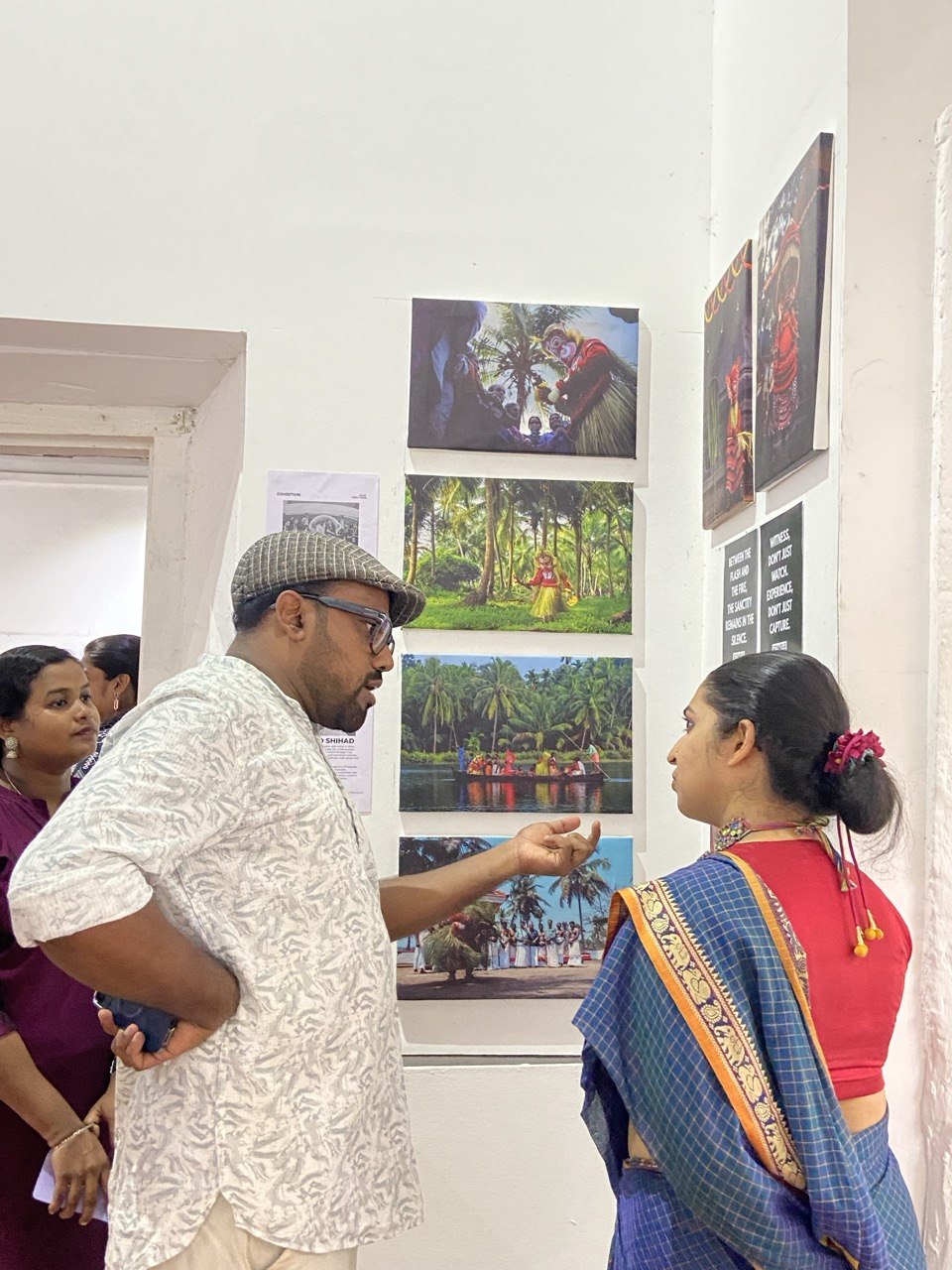
The following updates further strengthened the exhibition’s perspective by incorporating insights from internationally renowned photography trainer Patric Filet from Paris, who has been a frequent visitor to Kerala for the last three decades. Having documented the region since the mid-1990s, Filet observed that he has witnessed “significant changes” in the way Theyyam is photographed and perceived.
According to Filet, while the visual intensity of Theyyam continues to attract global attention, the transition from film photography to high-speed digital “reels” has altered the soul of the documentation process. Drawing from his three decades of experience, he echoed the sentiments of Muhammed Shihad, stating that the best photographs emerge from those who wait patiently, respect the ritual space, and understand the cultural significance of the performance before pressing the shutter.
With the support and observations of international voices like Patric Filet, Muhammed Shihad expanded City Heritage’s stance on photography and Theyyam documentation:
“Photography and photographers have been an integral part of Theyyam for 126 years, as proven by archival records. We cannot and should not blame the entire process of photography for recent frictions.”
“The VERU campaign is not anti-camera; it is anti-disrespect. We firmly condemn the unfortunate incidents involving ‘new-gen’ content creators that have disrupted sacred rituals.”
“We stand for documentation continuing in full swing, provided it is done with the full consent and reverence that this ancient tradition deserves.”
This thoughtful presentation aligned with City Heritage’s broader approach to heritage education—promoting responsible engagement, community collaboration, and cultural sensitivity in documenting living traditions.
The contemporary Theyyam photographs exhibited at the festival were captured by the teams of Madars Photo Bloggers and Colors and Trails, alongside photographers including Srivatsan Sankaran, Ravikanth Kurma, Sooriya, Sofia, Balamurugan SM, and Bhuvaneshwaran.
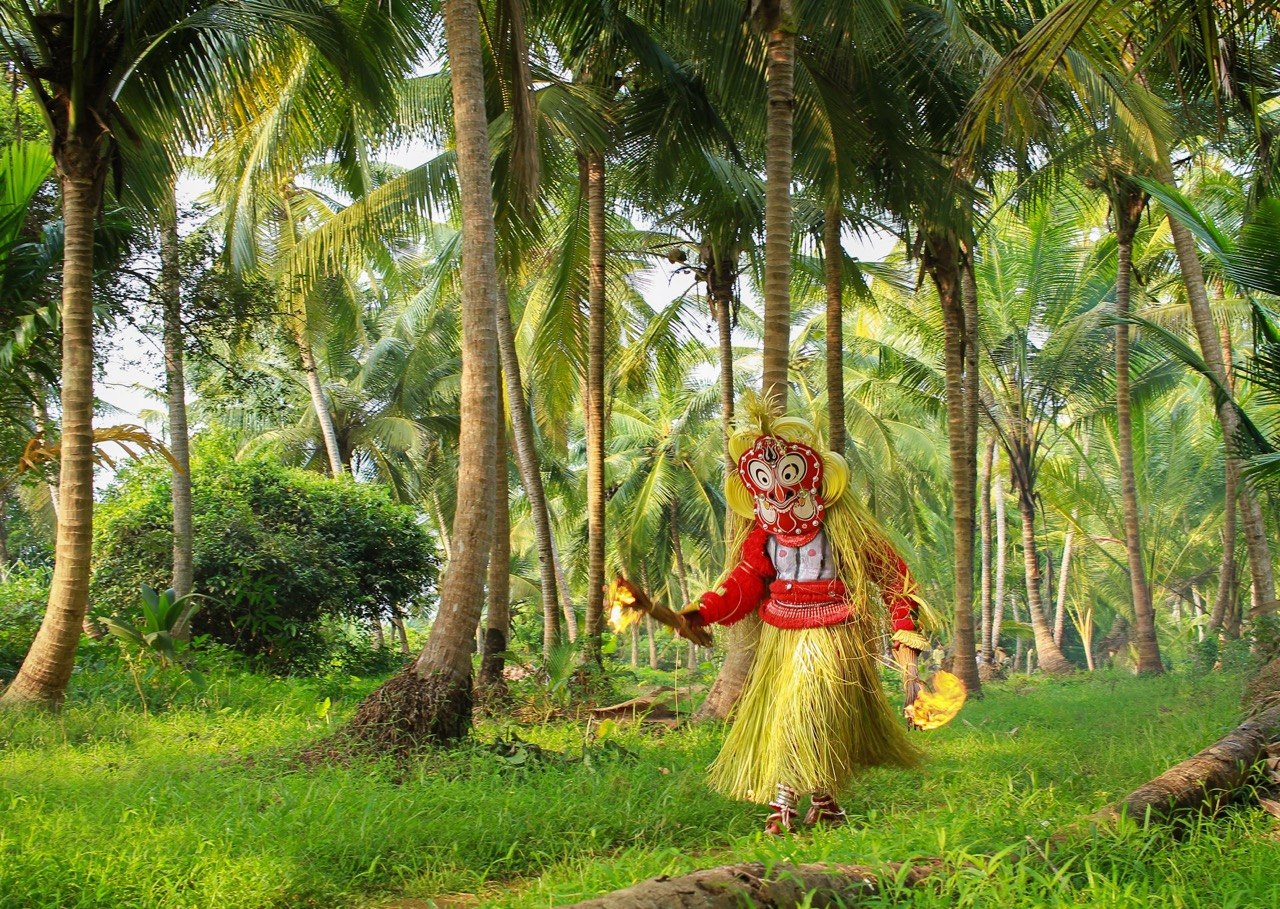
The involvement of renowned photographers such as Srivatsan Sankaran and Shahan Samad, alongside local curators like Muhammed Shihad, underscored the growing international significance of the VERU campaign and the heritage walks held at David Hall.
Gisny George also acknowledged the foundational support and collaboration of City Heritage in shaping the festival’s heritage engagement initiatives.
City Heritage’s exhibition attracted a wide range of heritage enthusiasts, including Jose Dominic, Co-founder and Managing Director of CGH Earth, and Sejoe Jose, Founder and Managing Director of Marvel Tours Pvt. Ltd., former Kochi Mayor and INTACH leader K J Sohan, model and former Femina Miss India participant Shvetha Jaishankar, founders of Save The Loom—Ramesh Menon, Alpi Boylla, and Geethika Pramod—along with storyteller Kalyani Gopakumar and visitors from diverse regions.
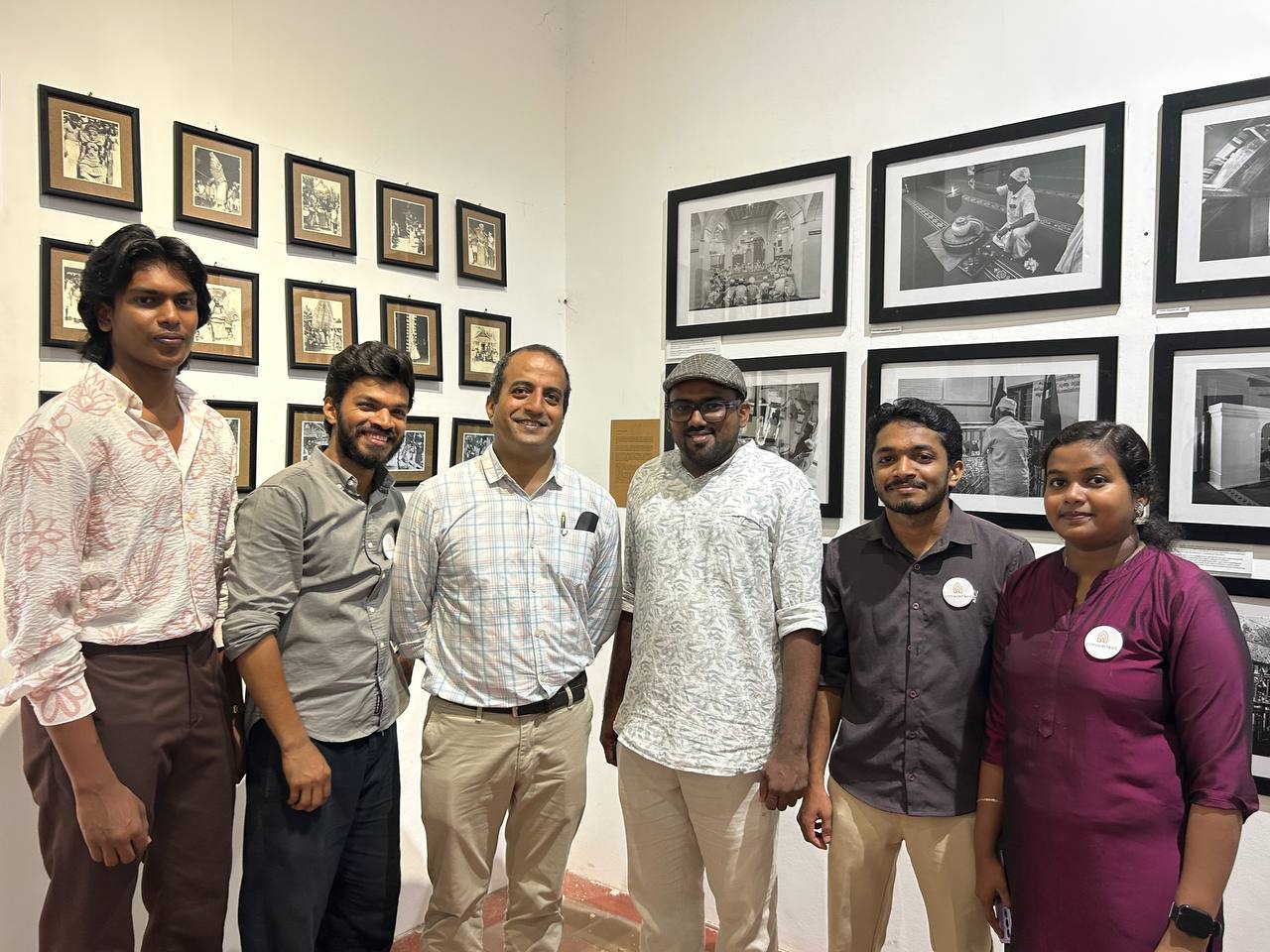
-The event sponsor and chief guest, Sejoe Jose, Founder and Managing Director of Marvel Tours Pvt. Ltd., visiting the City Heritage exhibition.
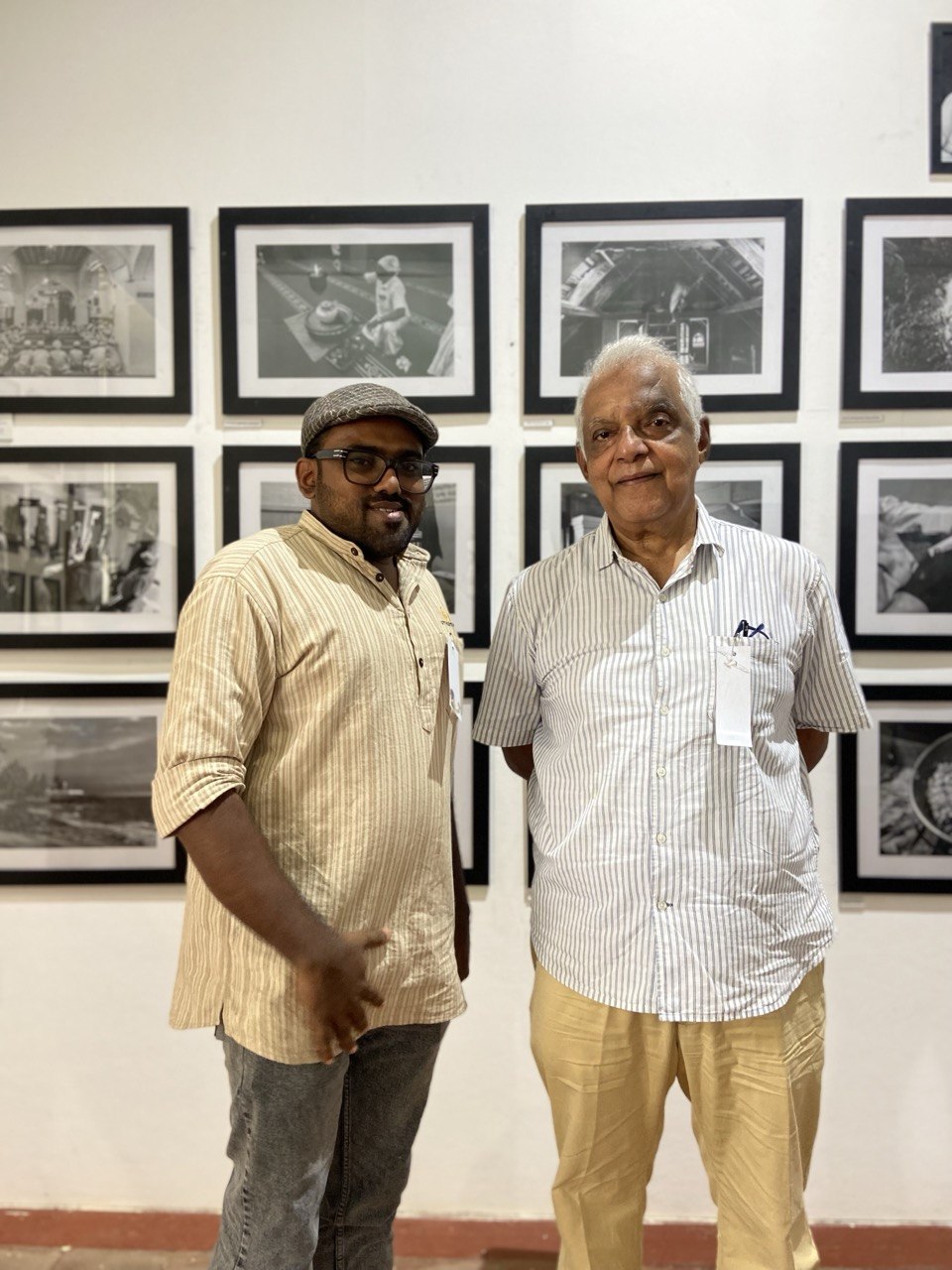
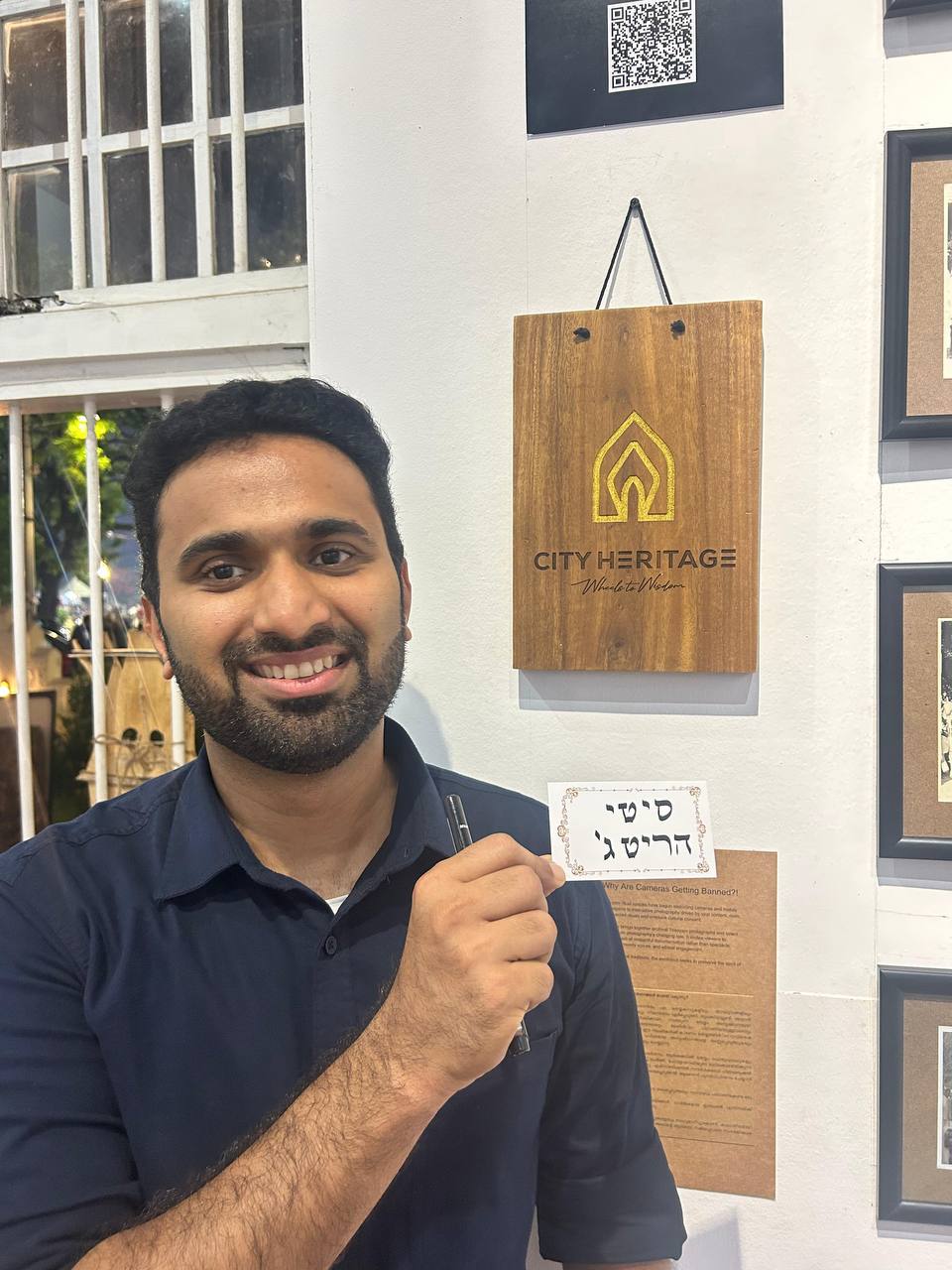
Co-founder and Managing Director of CGH Earth, Jose Dominic, with Muhammed Shihad & Renowned Hebrew calligrapher and researcher Thoufeek Zakariya during their visit to the exhibition.
The Theyyam exhibition formed part of a broader set of 14 curated showcases that explored Kerala’s diverse heritage landscapes and cultural narratives. The exhibitions included Temples of Olappamanna by Inheritance Collective and Storyteller; The Sufi Paths of Ponnani by Tyndis Antique Store of Salam Ottayil; Cities Within: Unfolding Shared Narratives Mattancherry and Hidden Orders: Kunnamkulam Angadi by Story Teller; Variety & Beauty of Birds of Ernakulam by CNHS; Thekkumkoor: Old Kottayam by Kottayam Nattukoottam; Thekkumkoor: Old Changanassery; The Manimala River Valley Heritage Project by Pepper Boat; Spirit of Kuttanadu by Kuttanadan Initiatives; Cartographic Currents: A Voyage Through Kurakkeni Kollam by Akhil Krishnan S; Digital Immortalisation of Built Heritage: CSI Cathedral, Kozhikode by SEA; Manimala Riverine Settlements: Convergence of Built and Micro Regional Heritage by Dhaarinni; and Rewild: Towards a Culture of Coexistence by Rewild.
Participation in Curated Sessions
City Heritage’s involvement in ‘Veru’ extended beyond the exhibition space into active participation in curated discussions and knowledge-sharing sessions. Muhammed Shihad contributed to the session “Relational Ecologies: Interconnected Worlds of Nature and Culture,” engaging in meaningful conversations on the interconnectedness of environment, communities, memory, and cultural practices. The session brought together collaborators, cultural practitioners, researchers, and heritage enthusiasts, creating a platform for dialogue on sustainable and community-centered approaches to heritage.

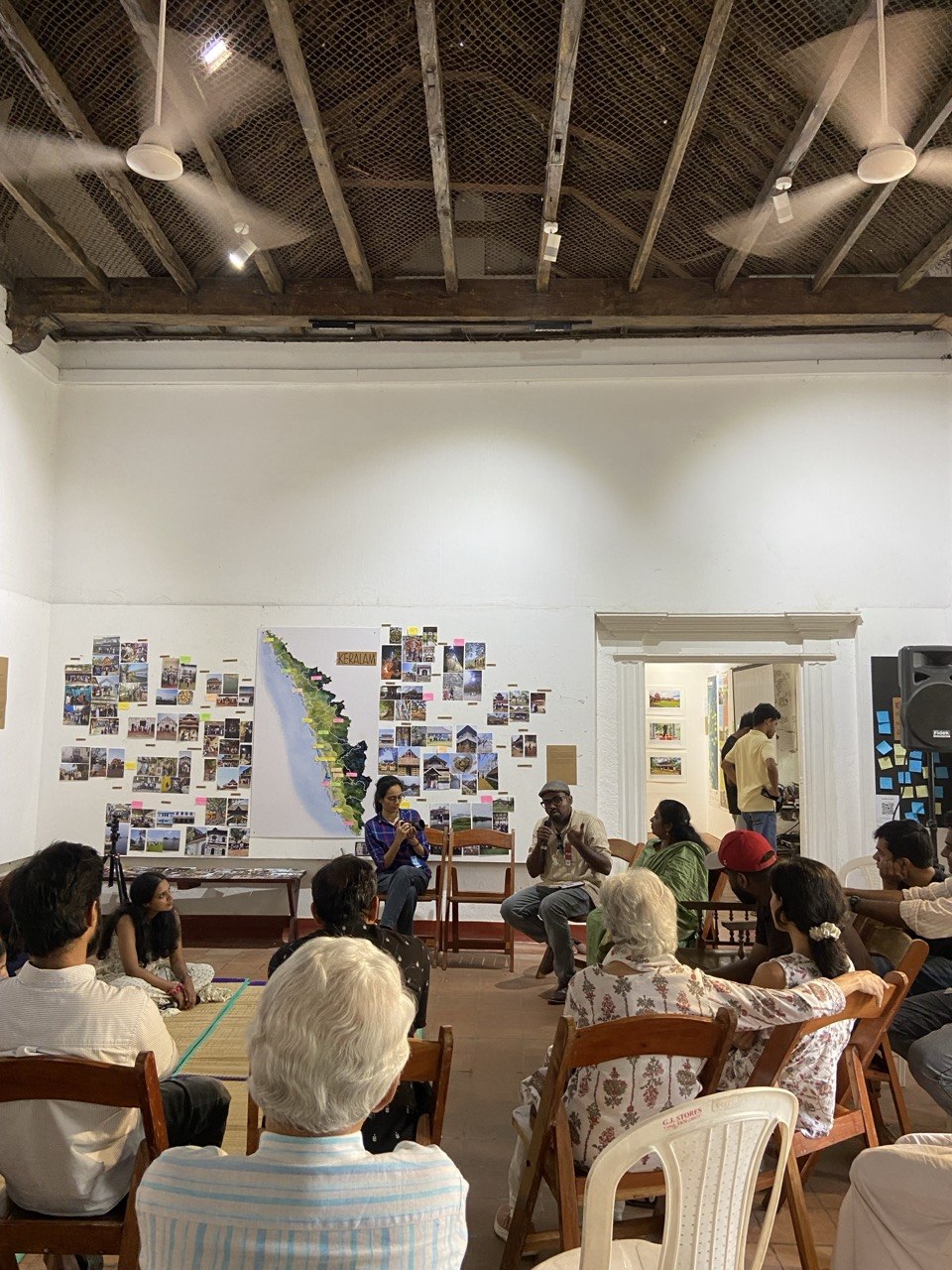
-City Heritage founder Muhammed Shihad speaking during the session on the theme “Relational Ecologies: Interconnected Worlds of Nature and Culture”
The City Heritage team—including Haseebe Ahamed, Yasin Asharaf, Ambili, and Asif—remained actively engaged throughout the festival. Beyond presenting the Theyyam exhibition, the team interacted with visitors, exchanged ideas with fellow participants, and contributed to broader discussions on heritage documentation, visual culture, and the preservation of living traditions.
Highlights from the Festival
The programme reflected the broader vision of creating a collaborative and inclusive platform for heritage engagement, bringing together researchers, cultural practitioners, artists, storytellers, and heritage enthusiasts from across Kerala.
The festival began early on May 2 with “Bird Heritage of Puthuvypin”, a coastal birdwatching session organized by the Cochin Natural History Society, setting the tone for an immersive engagement with nature, ecology, and heritage. The formal inauguration and opening of the exhibitions in the afternoon created space for diverse showcases and cultural interactions.
The day also featured documentary screenings on Balaramapuram handlooms under the NAETH initiative, highlighting Kerala’s weaving traditions and artisanal heritage. An engaging storytelling session by Kalyani Gopakumar as part of Oridathoridath further expanded the inclusivity and interactive nature of the event.
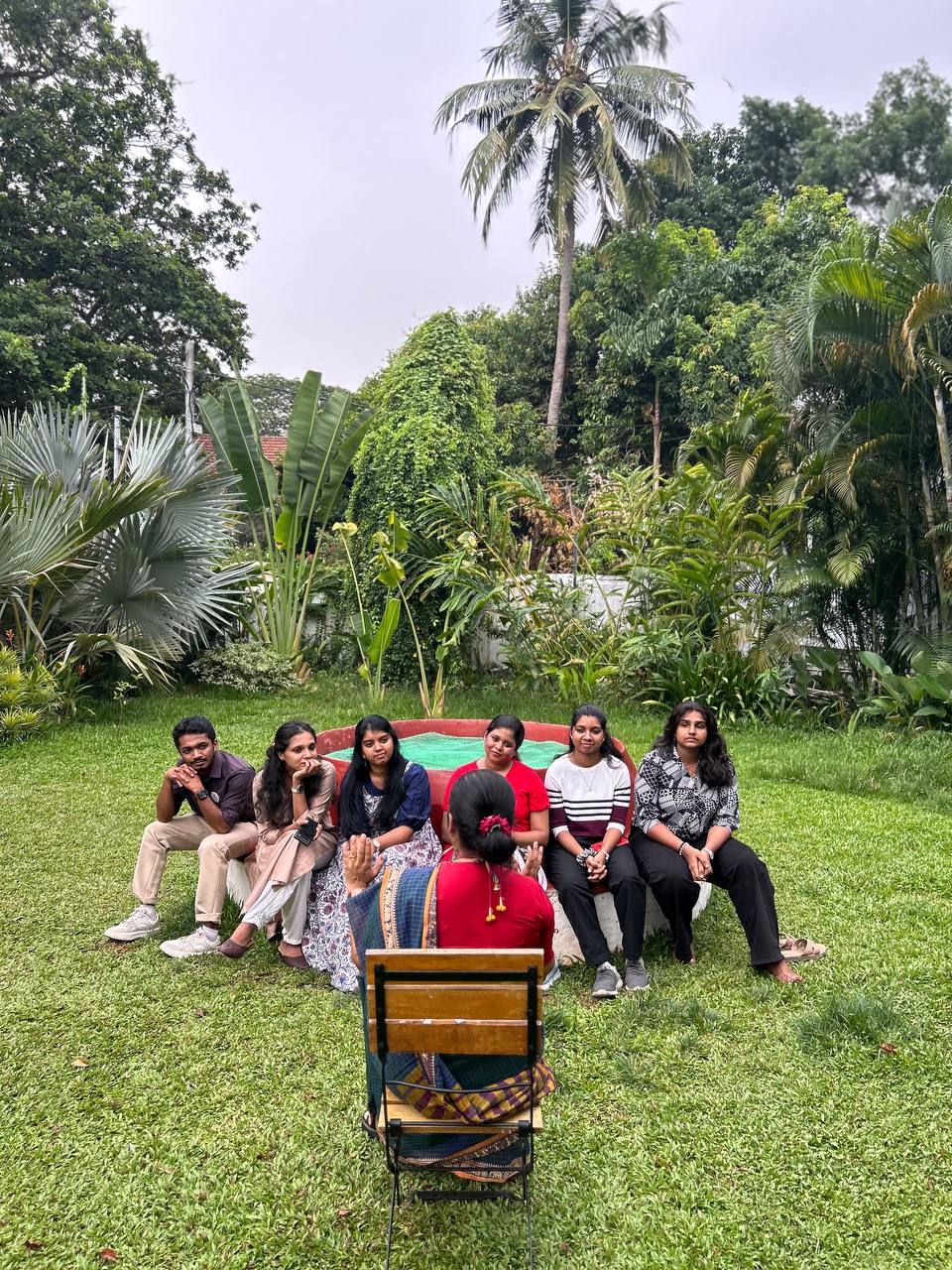
- Storytelling session by Kalyani Gopakumar
The first thematic session, titled “Heritage and Performance Traditions,” included a talk on the Islamic heritage of Kochi by Thoufeek Zakriya. The session offered valuable insights into the layered cultural histories of Fort Kochi and Mattancherry, emphasizing the region’s plural heritage and long-standing cultural exchanges. The first day concluded with a cultural performance programme that brought together music and community celebration.
On May 3, the festival continued with “Yatra”, a heritage walk through Fort Kochi organized by Dharinni, symbolizing the journey undertaken across Kerala during the three-month initiative. This was followed by a collective reflection session where participants shared experiences, observations, and learnings from their travels and engagements.
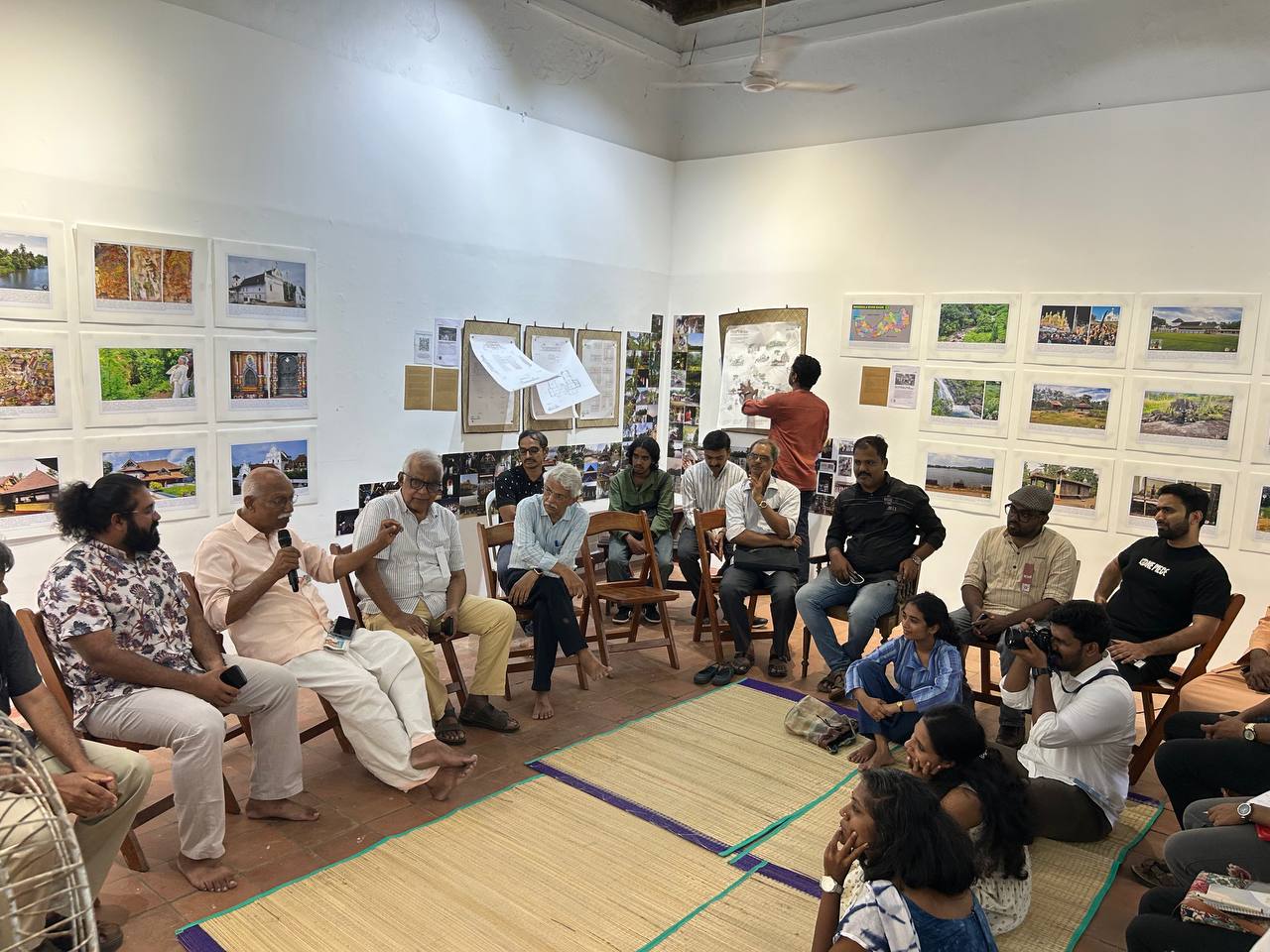
-Collective reflection session followed by “Yatra” — a walk through the heritage of Fort Kochi.
The day’s discussions focused strongly on sustainability, cultural continuity, and community narratives. The session “The Everyday is Heritage: Voices of Plural Customs” featured speakers including K J Sohan, Jose Dominic, and Johann K, exploring how everyday cultural practices shape collective heritage.
Another important session, “Relational Ecologies: Interconnected Worlds of Nature and Culture,” brought together collaborators, cultural practitioners, and heritage enthusiasts to discuss the deep interconnections between ecology, memory, and community life. The screening of the NAETH documentary was revisited on the second day, continuing conversations around traditional knowledge systems and craft heritage.
The session on “Convergence of Built Heritage, Slow Tourism and Micro Regional Heritage of the Manimala River Valley” by Dharinni, along with a presentation by Palikkonnam Rajeev, expanded the discourse into regional ecologies, settlement histories, and sustainable cultural tourism.
Adding further depth to the discussions, “Visual Language of Padayani Kolams: Form & Meaning”, led by O Arun Kumar, explored the symbolic and visual dimensions of Padayani ritual art traditions, emphasizing their artistic, performative, and cultural significance.
Heritage Walk: A Collective Storytelling Experience through Fort Kochi
One of the most engaging aspects of ‘Veru’ was the heritage walk through Fort Kochi, titled “Yatra – The Walk.” Unlike conventional guided tours, this walk encouraged participants to become storytellers themselves.
Beginning at David Hall—built in 1695 by the Dutch East India Company and once home to Hendrick Adriaan van Rheede tot Drakestein—participants explored Fort Kochi and Mattancherry independently. They observed streets, shrines, waterfronts, shopfronts, and everyday life, documenting their experiences through photographs.
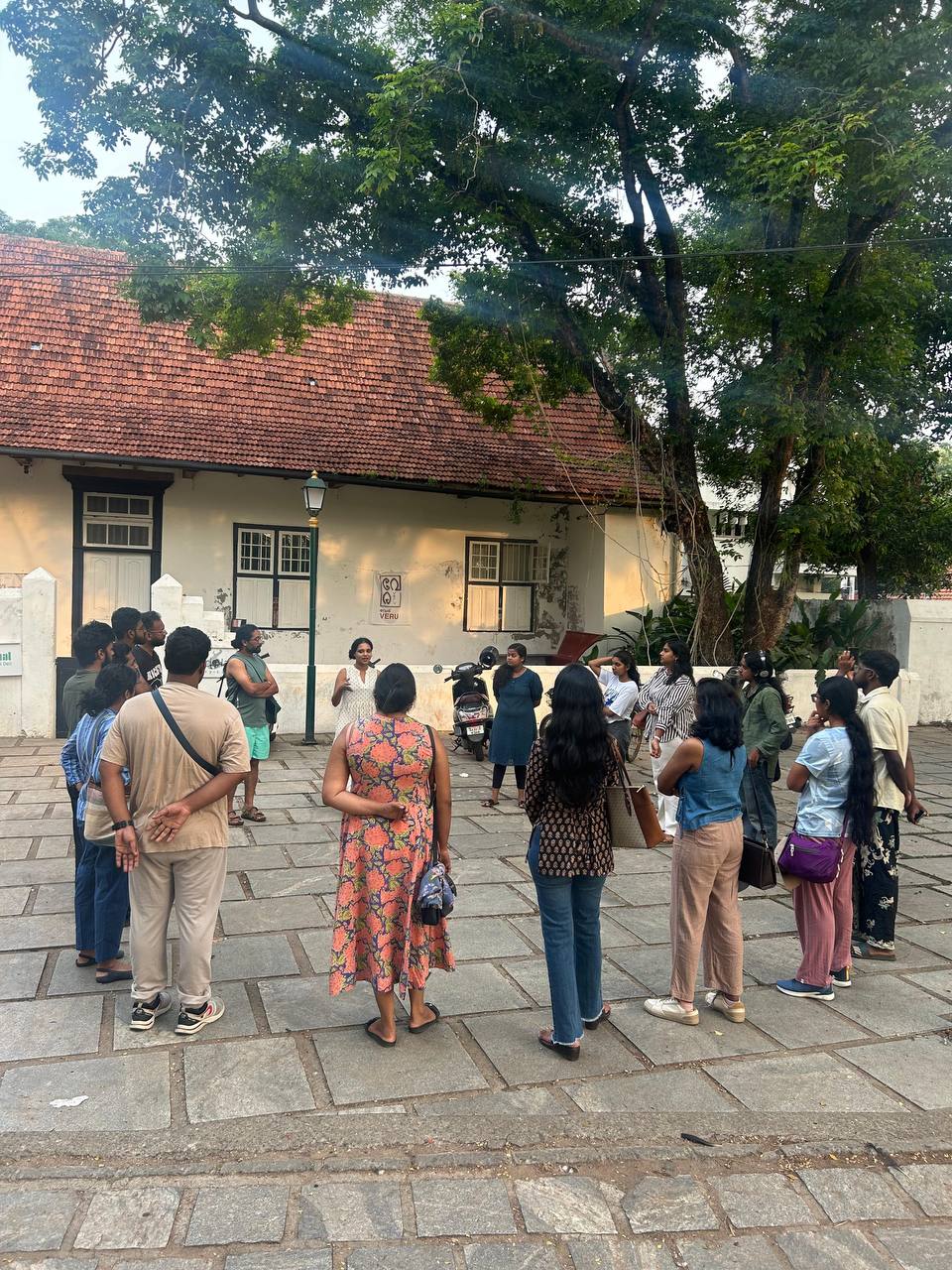
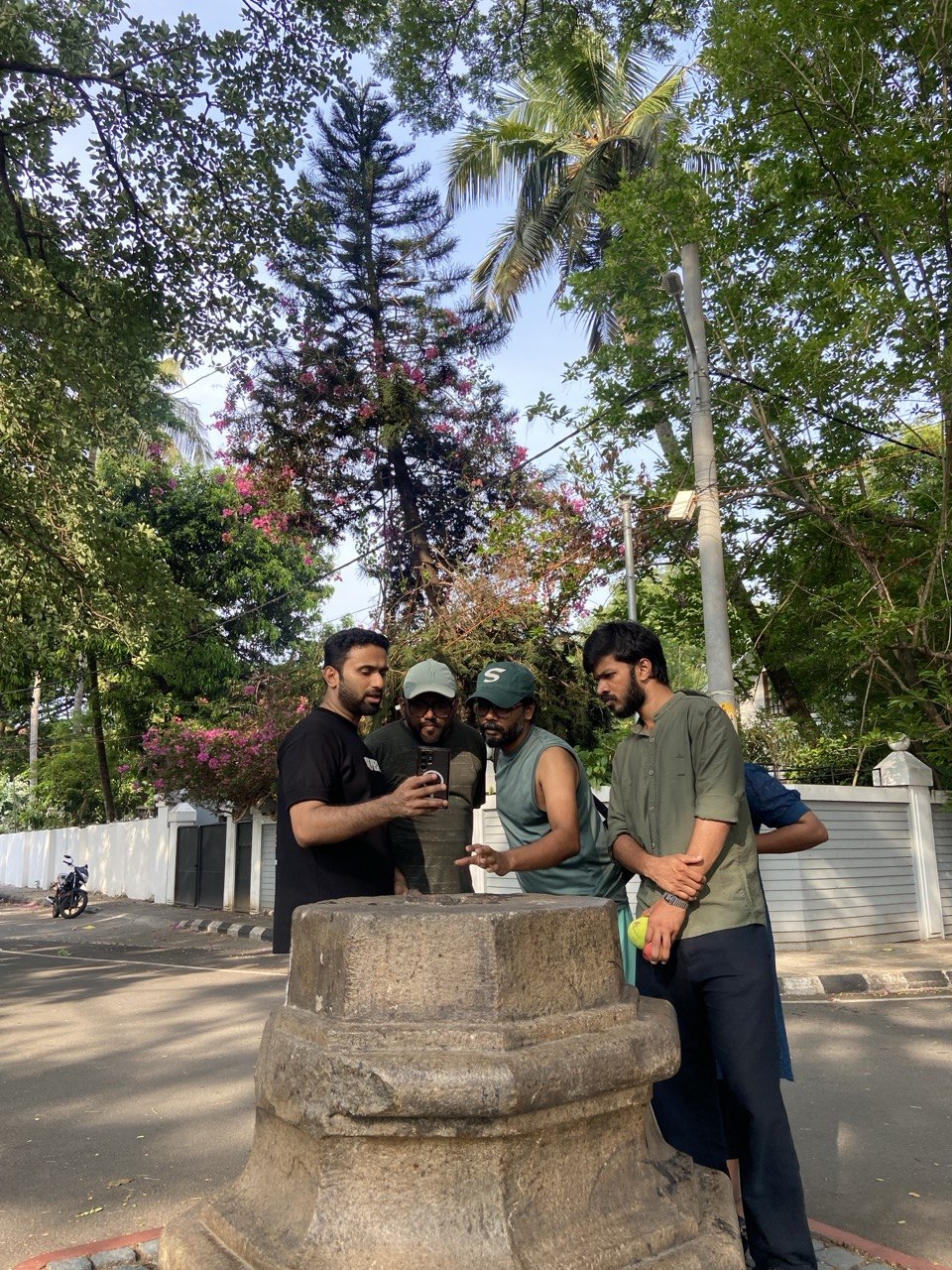
After two hours, participants regrouped to share their observations, creating a collective narrative of place and memory. Fort Kochi emerged not merely as a historic site, but as a living archive shaped by communities, culture, and continuity.
City Heritage actively participated in this walk, contributing to its collaborative and reflective spirit.
Carrying the Roots Forward
‘Veru’ succeeded in creating a meaningful and much-needed platform for connecting people, practices, and places. It brought together a growing network of individuals and organisations working towards heritage conservation, addressing the fragmentation often seen in this field.
Through its exhibition, intellectual contributions, and active engagement, City Heritage played a vital role in shaping the experience of the festival. The work on Theyyam not only showcased a powerful visual legacy but also raised important questions about ethics, representation, and cultural responsibility.
The exhibition and discussions collectively reinforced a final and urgent appeal: ‘Let the documentation of Theyyam remain a respectful bridge between the human and the divine, preserved for the future.’
More than just a festival, ‘Veru’ stood as a reminder that heritage is not static or nostalgic—it is alive, rooted in landscapes, communities, and everyday life. By fostering dialogue and collaboration, it set the stage for a more connected and conscious approach to preserving Kerala’s cultural and ecological heritage.
City Heritage curates authentic Theyyam experiences in northern Kerala, offering guidance and support to indviduals and organisers in maintaining cultural protocols, traditional values, and responsible engagement through insights and consultations.
Get in Touch:
Visit: www.cityheritage.in
Email: mail@cityheritage.in
Instagram: cityheritage.in
Phone: +91 7356569573, +91 8377024979




 (1).png)
© Copyright 2026 City Heritage. All rights reserved.
Website designed by TNM Online Solutions.
If you have any enquiry, feel free to ask, and we'll provide you with a prompt and concise response.