
Posted By: Editorial Team, CITY HERITAGE
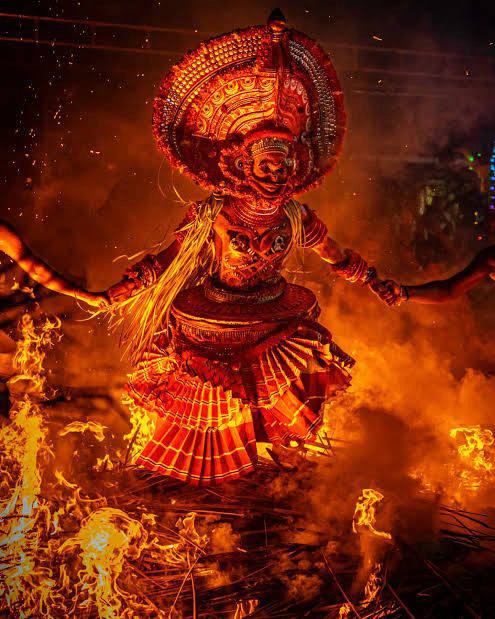
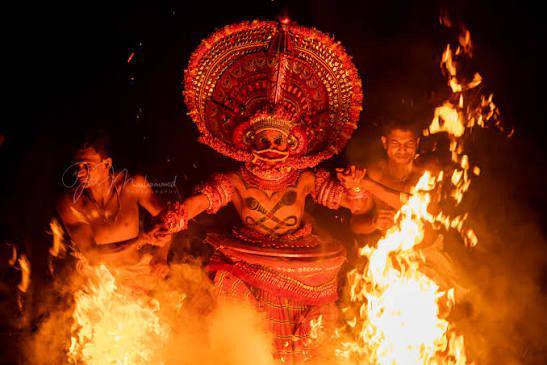
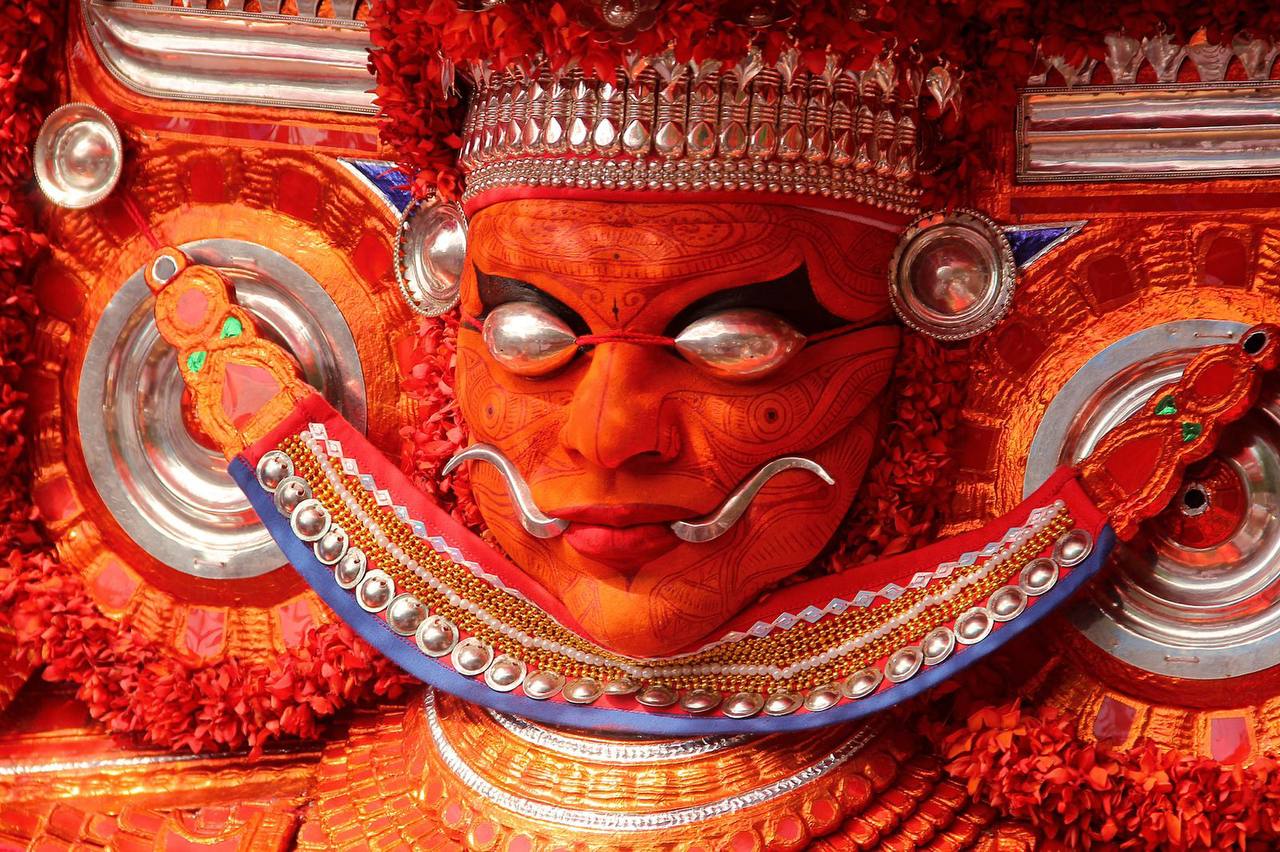
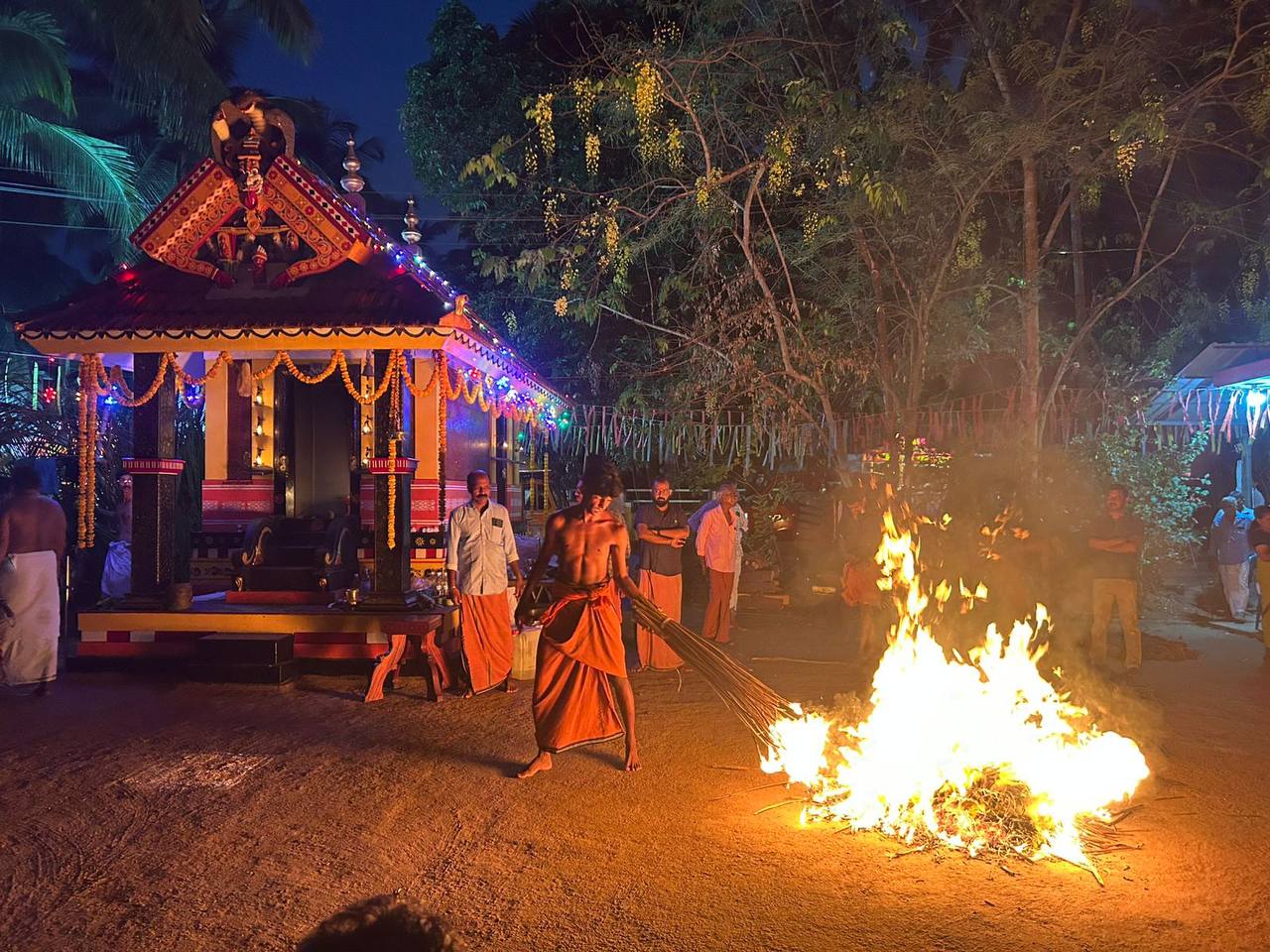
Among the most potent cultural practices in contemporary India, Theyyam persists in its rich tradition within the sacred groves (kavus) and family shrines found in northern Kerala, particularly in Kannur and Kasaragod. During the period spanning late October to early June, performers undergo a process of becoming deities by means of detailed facial decoration (vishukkriya), elaborate headgear, colorful attire, and vigorous dance steps that are set to the thundering sound of chenda and elathalam drums.
Theyyam is not only about visual presentation but rather an immensely rich intangible cultural heritage that encompasses ritual, folklore art, music, oral tradition, dance, and community solidarity. With its basis in ancestor worship, nature worship, and narratives involving local gods and legendary figures, Theyym has been sustaining the social and religious fabric of North Malabar for several centuries. Most practitioners belong to socially disadvantaged communities and are worshipped as gods in the course of the ritual, to be demoted back to their normal status after it is done. The recent inclusion of Theyyam in the UNESCO’s list of Intangible Cultural Heritage of Humanity is testimony to its significance as a globally recognized practice.
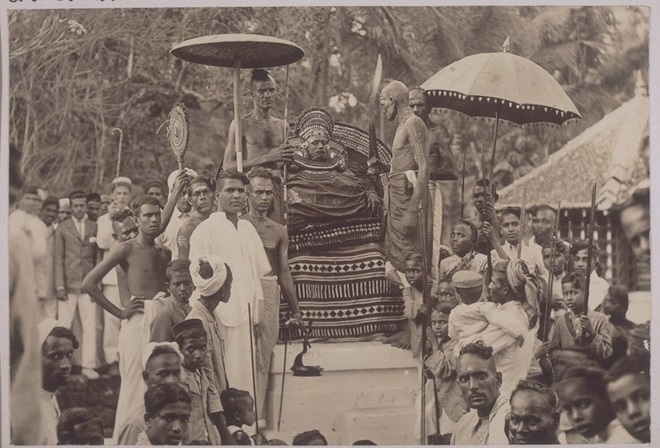
- From Kanathur Kaavu in Kannur (Image courtesy: Archival records)
In terms of the global public, Theyyam is one of the more exotic forms of culture found in India, where the distinction between humans and divinity blurs in spectacular fashion before the eyes of the onlooker. In contrast to stage productions, they are community-based acts of living faith, social justice, and honoring the spirits of past generations. The excitement, vivid imagery, and spiritual power of Theyyam have captivated international audiences for many years. Images of Theyyam from Europe exist in the archive at least from as far back as the early twentieth century, illustrating how interested foreign observers have been in this remarkable art form for over a century.
However, when the Theyyam season came around in 2025-2026, several ancestral families and shrines in Kannur had something different going for them: banners bearing the message "Photography and videography not allowed" could be seen, and even the commencement of rituals would see restrictions on photography, particularly within the thirumuttam (yard).
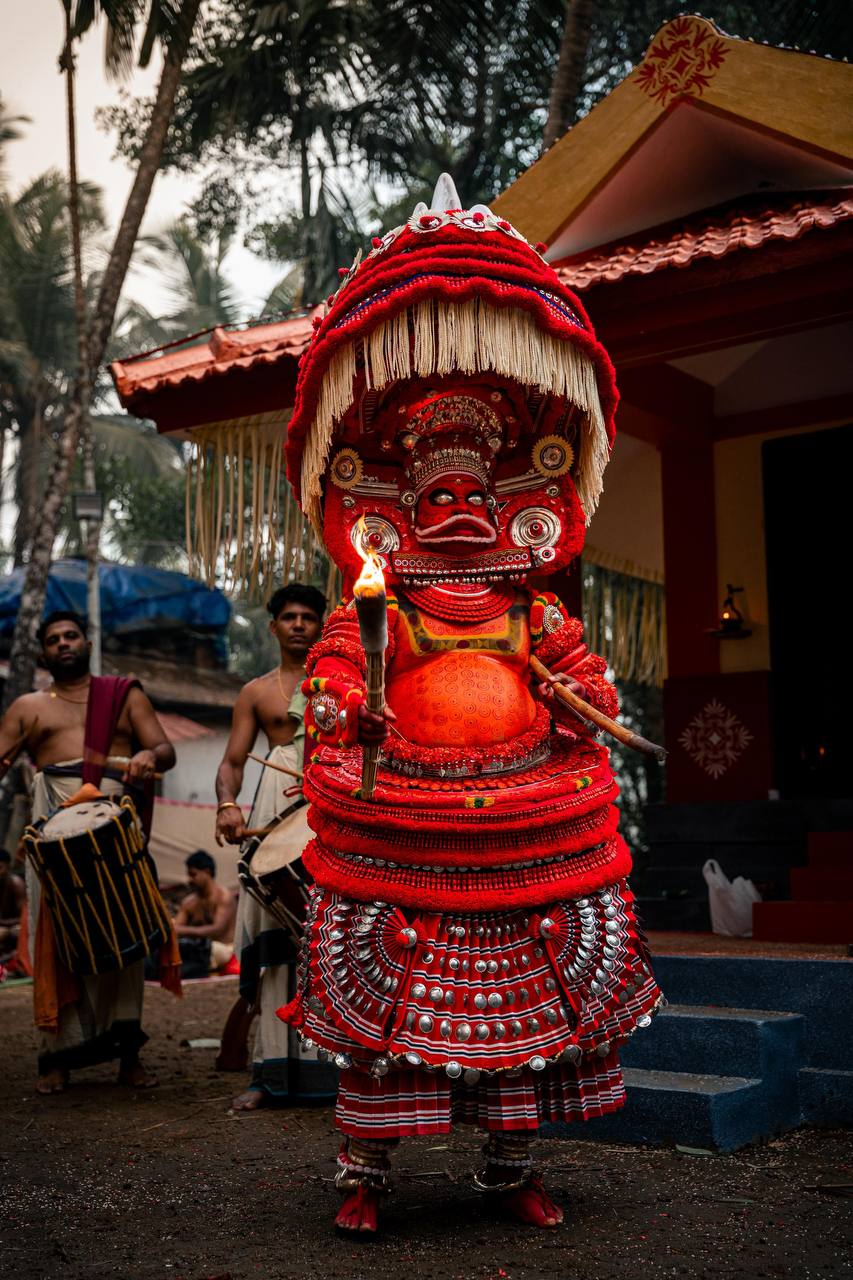
Age of Reels and Challenges to Sanctity
Reports published in the latter half of 2025 and early 2026 spoke of this increasing problem. According to the New Indian Express (November 2025), it seemed that vloggers and social media influencers flocked in large numbers to the sacred grooves, looking for exciting videos on rituals involving fires, trance dances, and divine figures like Kandanar Kelan. Large crowds gathered, blocking their view, turning a deeply spiritual experience into a form of entertainment.
The Hindu (January 2026) pointed out ancestral shrines that have been the site of Theyyam for many years and were now displaying banners declaring “photography not allowed.” According to the organizers and host families, there was a sense that Theyyam was fast becoming a spectacle in which intrusive technology and flash photography in trance situations and dangers posed by fires made the experience impure.
This is certainly not an anti-photography response, since many community members recognize the value of honest documentation of Theyyam. The problem is when photography intrudes into the event and takes precedence over the devotion involved in organizing such an undertaking out of piety and service to the community.
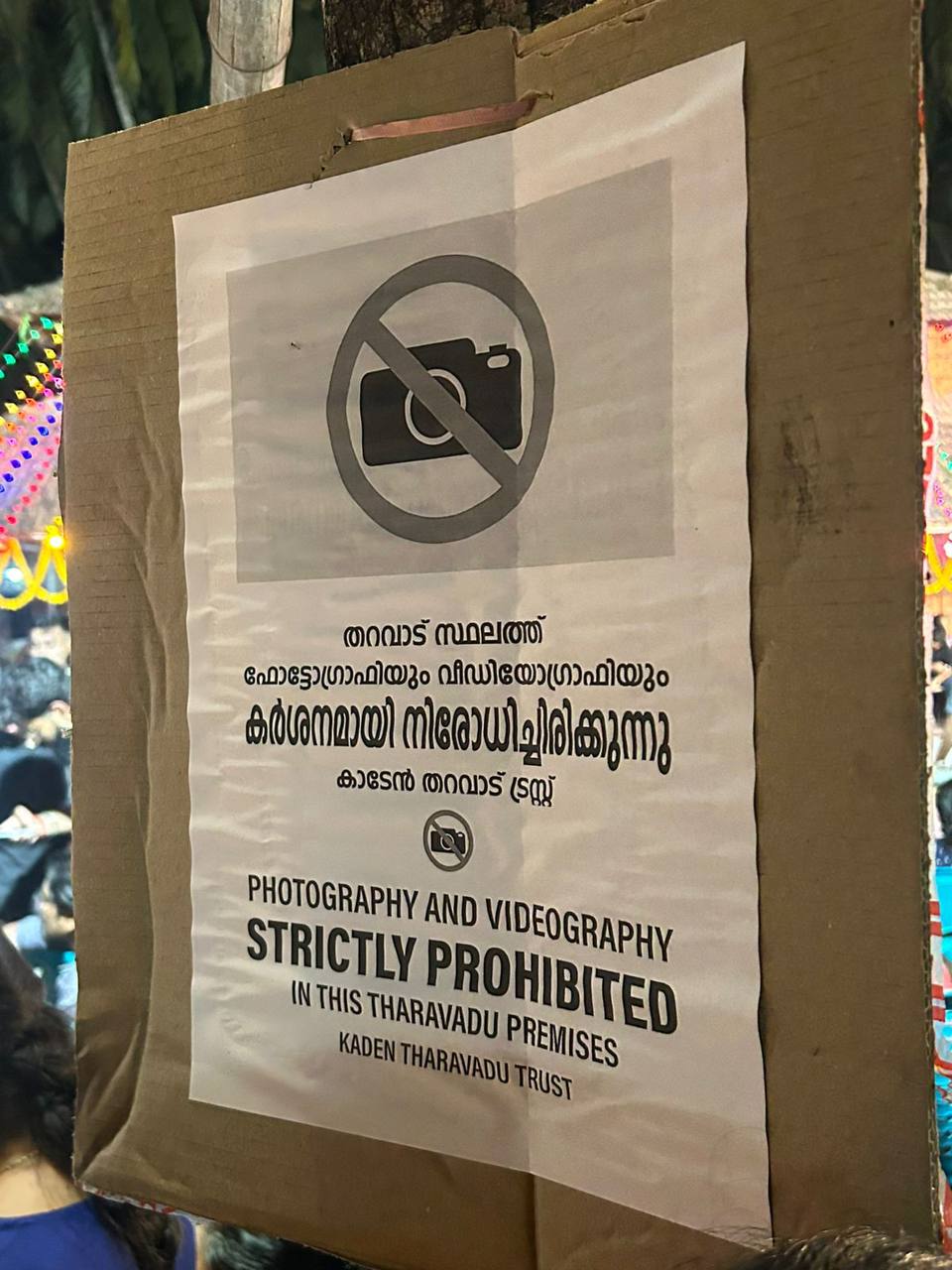
-A “Photography Prohibited” sign displayed at the Theyyam premises
A Larger Significance of Theyyam’s Intangible Heritage
The real essence of Theyyam is in the way it functions as a part of community folk culture and tradition. Every god possesses distinct myths and morals, associations with the terrain, rivers, trees, and hardships of life. Their precise composition, costumes, rhythms, dances, chants, and invocation are learned from one generation to another. In the case of entering the spiritual realm, the area becomes liminal—meeting place between human and the divine.
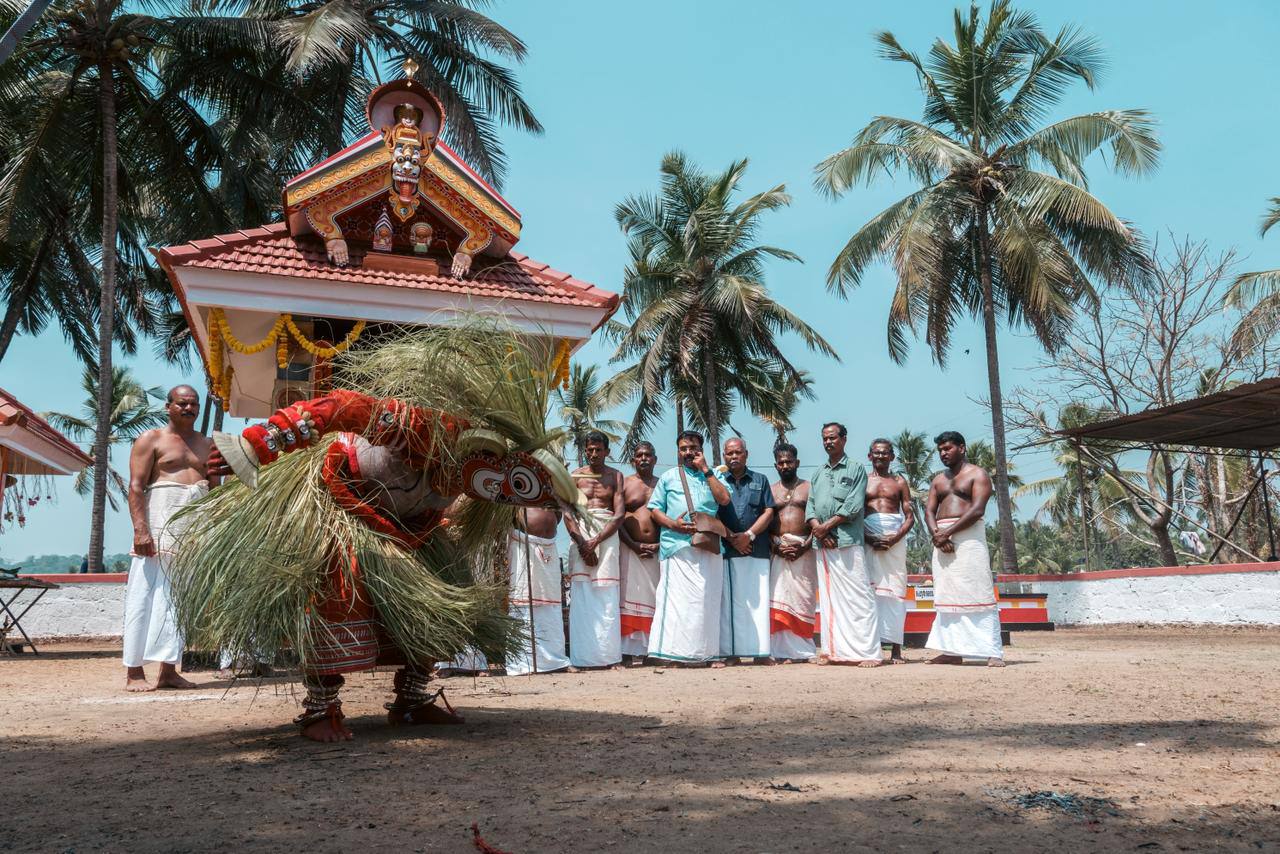
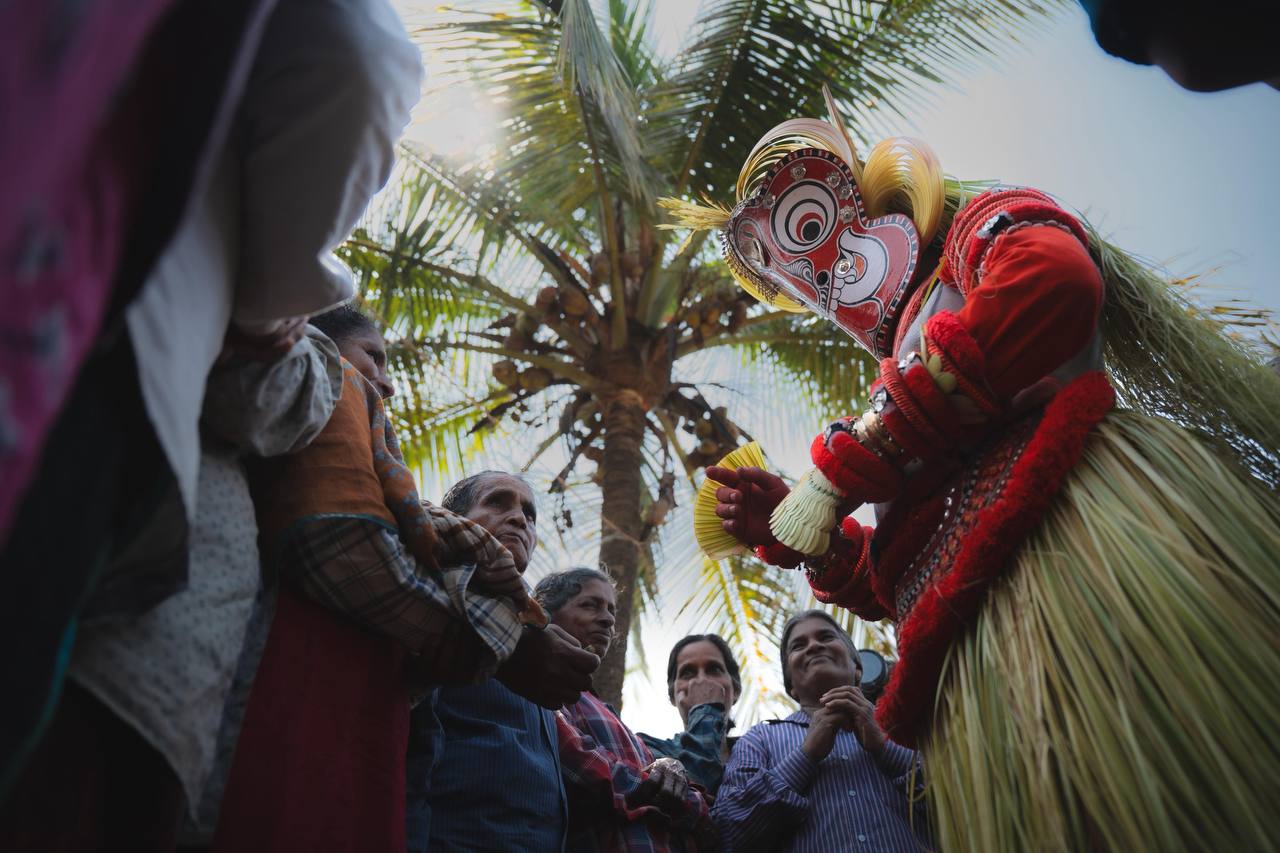
Maintaining the practice will require safeguarding the rhythm of rituals, the relationship between artist and worshipper, and the spontaneous blessings that unite communities. As an intangible heritage, they can be captured not by visual recordings alone, but through practice and experience. Any form of documentation should take into account that preserving Theyyam mustn’t detract from itself.
Heritage Education in India at City Heritage: Learning, Respect, and Engagement
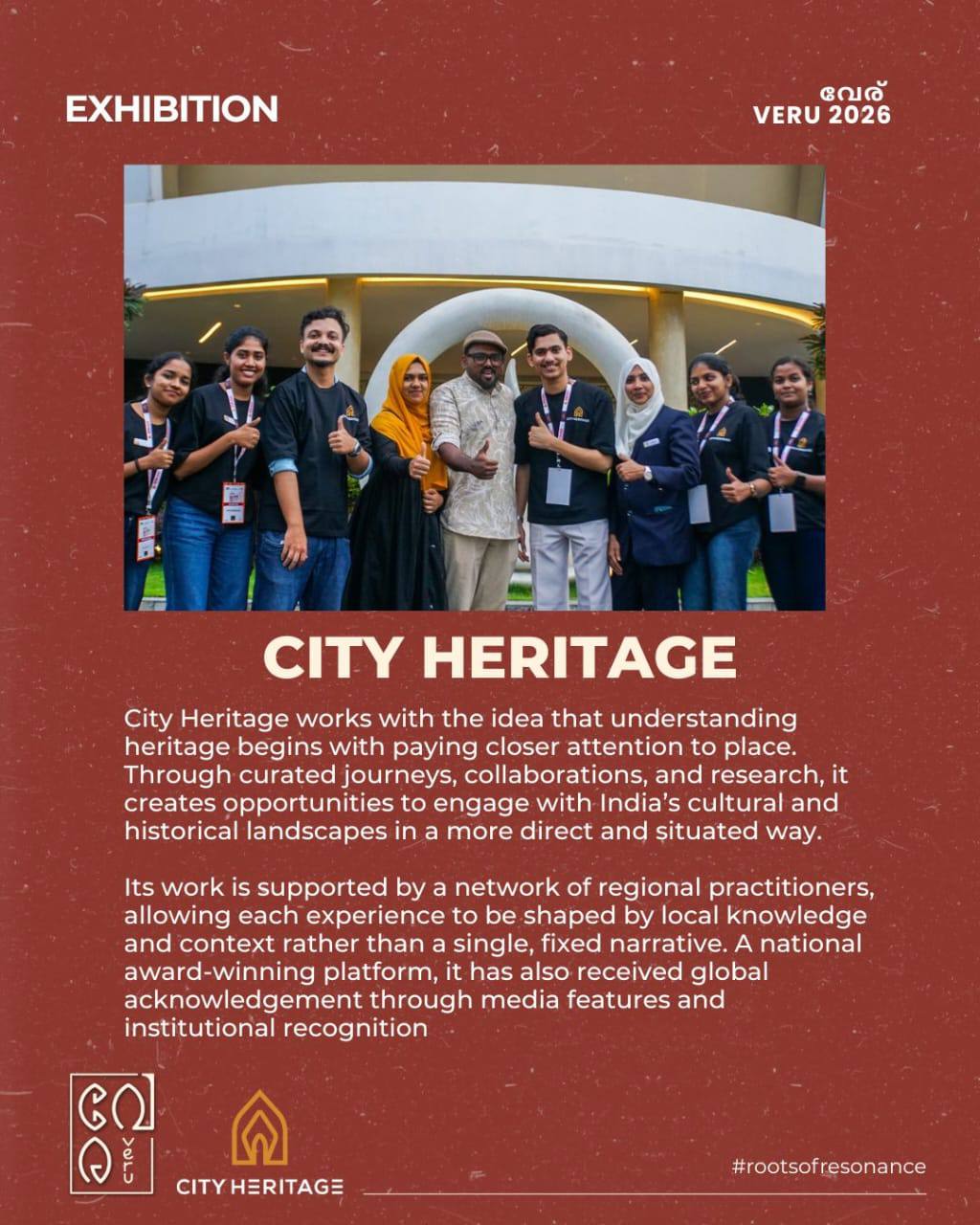
At City Heritage Research Guild Pvt Ltd, it is a long-held principle that learning about heritage is rooted in an increased engagement with place, context, and culture. By offering curated walks, collaboration, and heritage research, we facilitate learning from India’s rich cultural landscape directly, responsibly, and meaningfully.
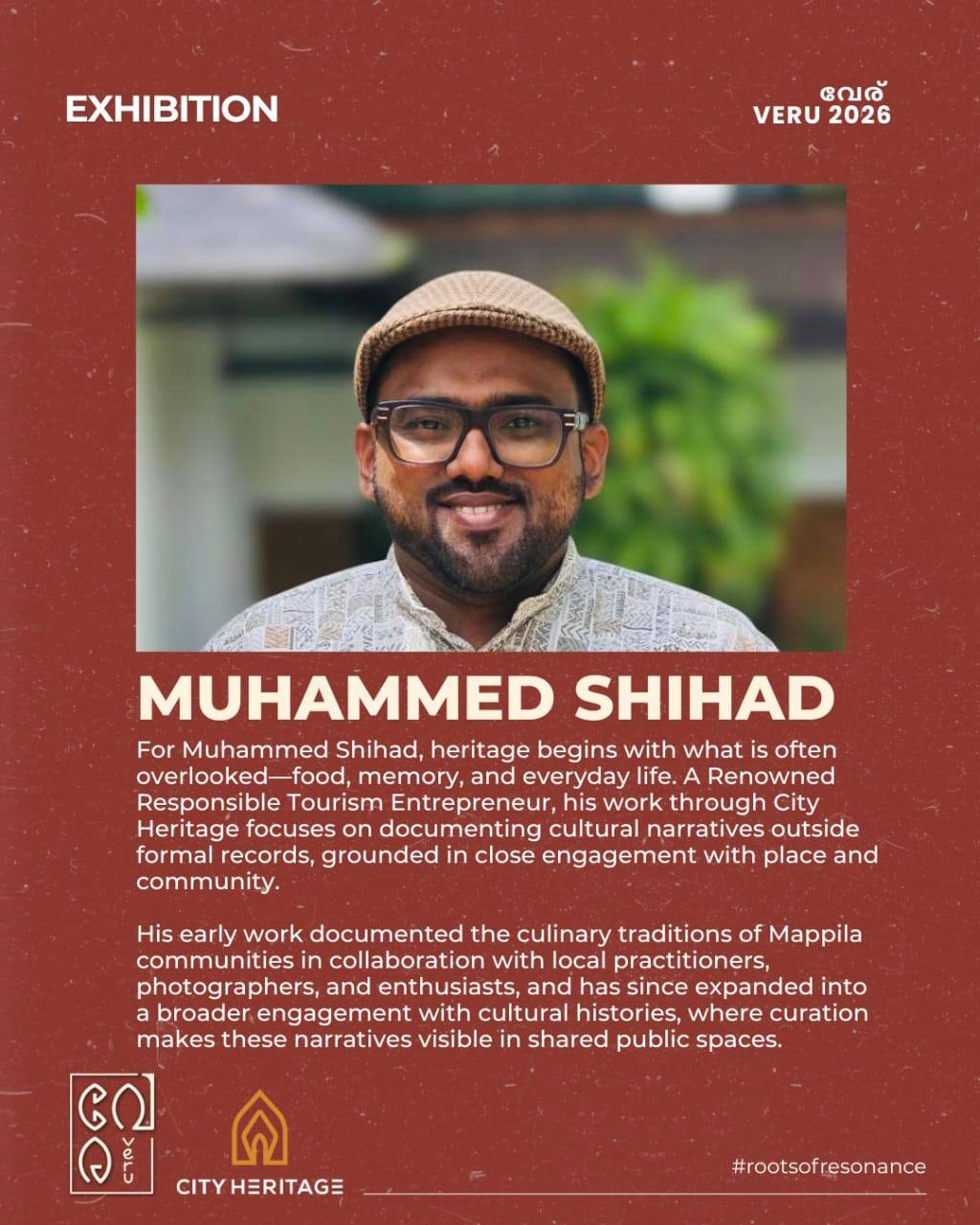
Over the years, through our efforts led by Muhammed Shihad, we have conducted a number of Theyyam experiences that extend beyond mere tourist activity in several important ways:
By creating awareness and sensitivity through:
• Early interactions with community members and hosting families before the trip starts.
• Extensive storytelling sessions that impart context regarding the god/ess, rituals, history, and importance of each Theyyam performance.
• Active collaboration with locals and Theyyam custodians.
• Acting in accordance with principles of the Theyyam Museum project and continued regional practitioner projects.
Theyyam is considered more than just an entertainment or a tourist attraction; they see it as an integral part of their heritage and culture. For our visitors, we have developed certain codes of conduct, such as asking for permission before photographing and not treating them like props in one’s pictures. Many of our guests have been able to experience Theyyam respectfully while contributing positively to the local community.
A Thoughtful Exhibition at VERU 2026
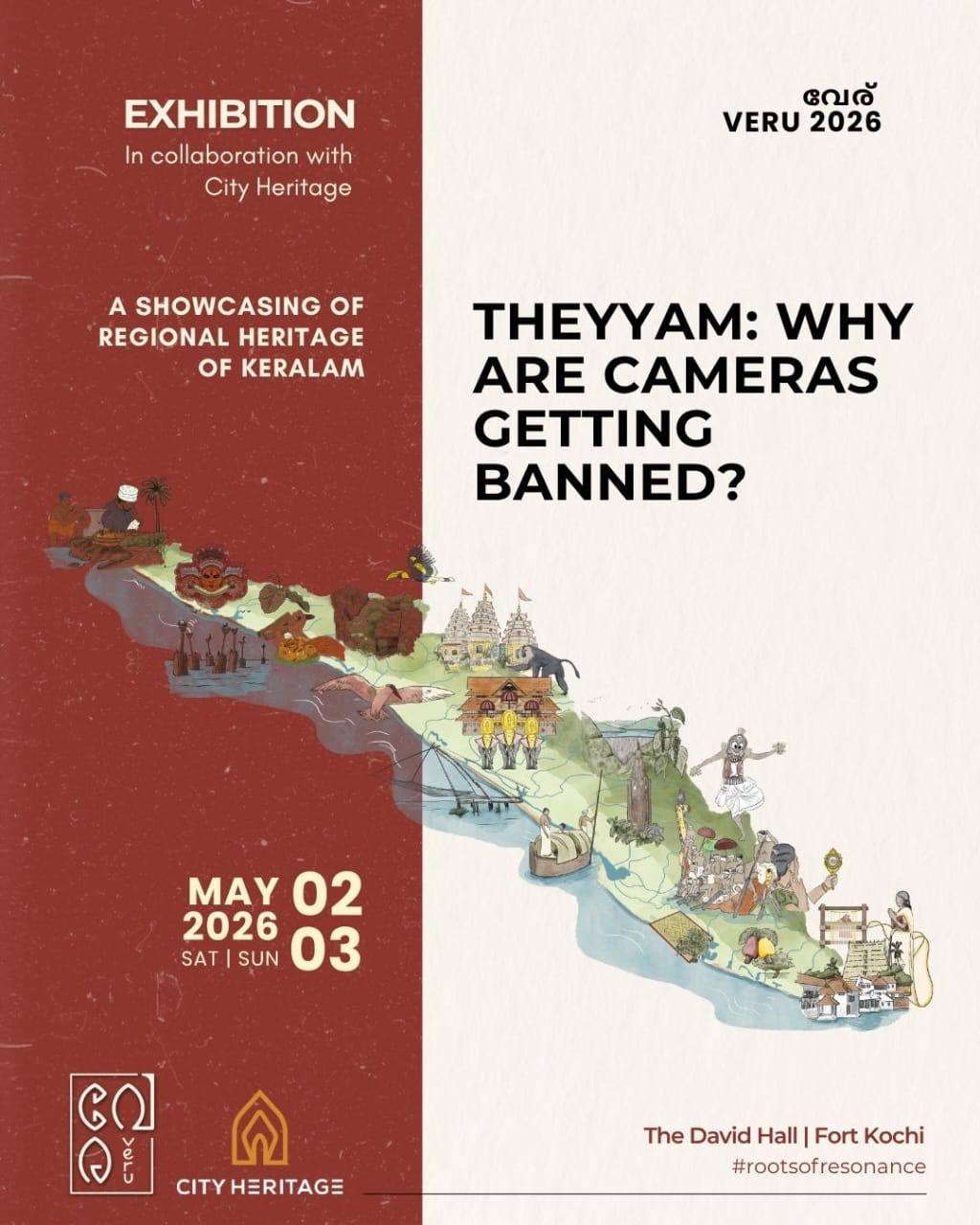
Our philosophy finds expression through the exhibition “THEYYAM: WHY ARE CAMERAS GETTING BANNED?” by City Heritage in partnership with Dharinni at VERU 2026, which will be held on 2nd and 3rd May 2026 in The David Hall, Fort Kochi.
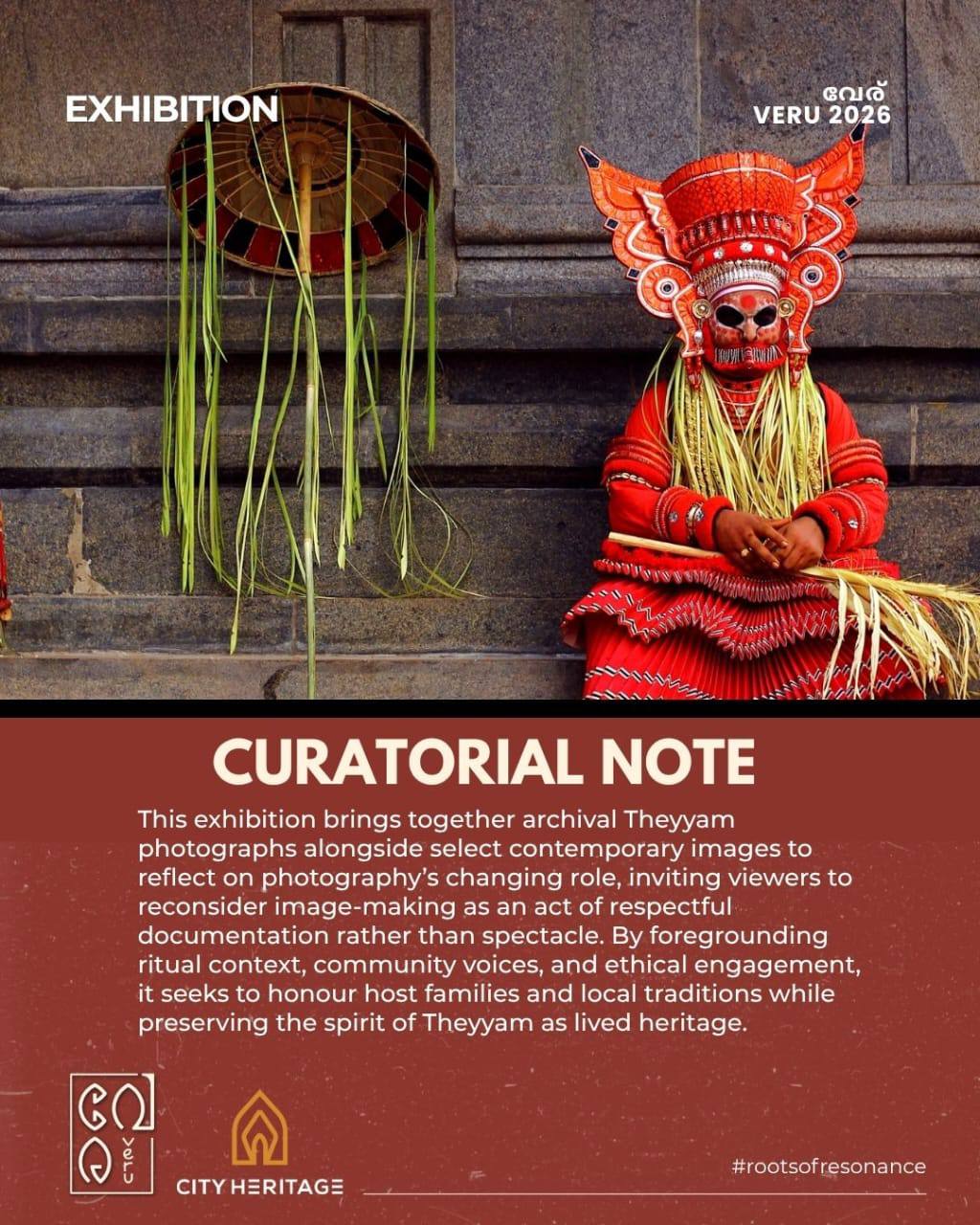
The exhibition displays a selection of old photos of Theyyam juxtaposed with modern photographs. It challenges participants to think about the evolution of photography—from its humble beginnings of respectful documentation to a spectacle—that it has become. It calls upon them to re-examine photography as a practice of respect. Through ritualistic context and ethical considerations, the exhibition pays tribute to local hosts and traditions.
The thoughtful exhibition is curated based on the core beliefs of City Heritage, which involve heritage-related work through regional practitioners’ networks.
A Message to All Who Love Cultural Photography
This particular instance in the Theyyam spaces of northern Kerala constitutes an important signal to all those who believe in photographic documentation of cultural and traditional phenomena. Theyyam is not a topic which can be “documented” by whatever means necessary. Theyyam is an ongoing dialogue between communities, their gods, and their forefathers.
Ethical participation requires:
• Asking for permission and abiding by “no photography” signs and announcements.
• Observing distance and discretion and not using flash, tripod, or hindering devotees.
• Being in the present moment and shooting only when the need arises.
• Showing the photographs (if taken) with full knowledge of the spirituality and community context.
• Helping out the hosting community through responsible tourism.
There may be shrines where photographers are allowed in limited quantities and in specific locations; however, building a relationship with the practice pays off eventually, and there are already award-winning photographs made over several seasons.
At City Heritage, we continue to be committed to connecting documentation and community respect. We believe that through Theyyam tours, storytelling, and other events such as this exhibition, we can build a culture around heritage that is done with reverence and respect.
As visitors to these sacred spaces, let us engage with Theyyam not as mere observers who come looking for images and representations but rather as respectful witnesses to the dialogue that exists between humans and their deities. By doing so, we ensure that this remarkable and living cultural tradition of Kerala will continue to flourish—both in pictures and in spirit—amongst the groves of Malabar for many more years to come.
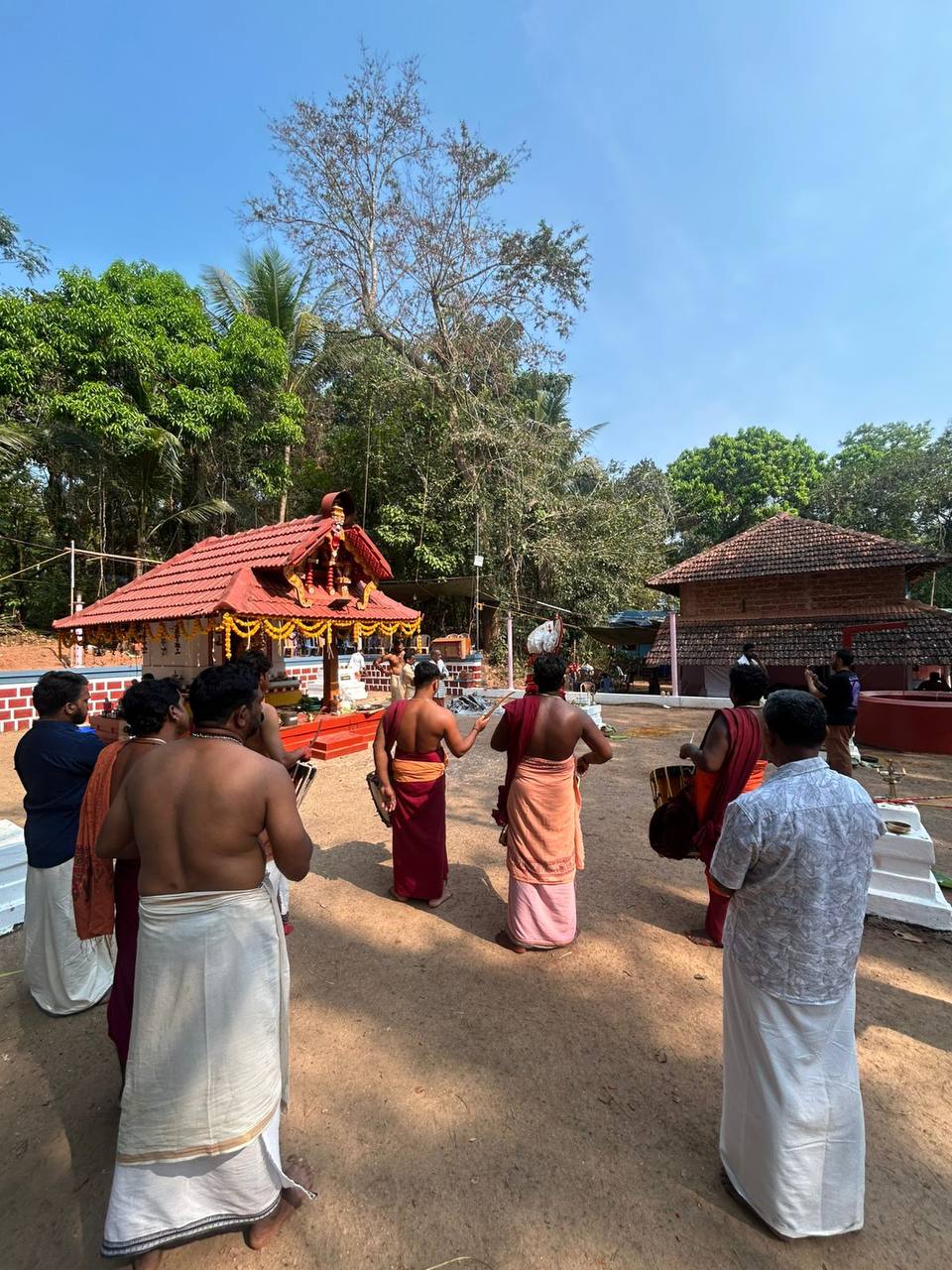
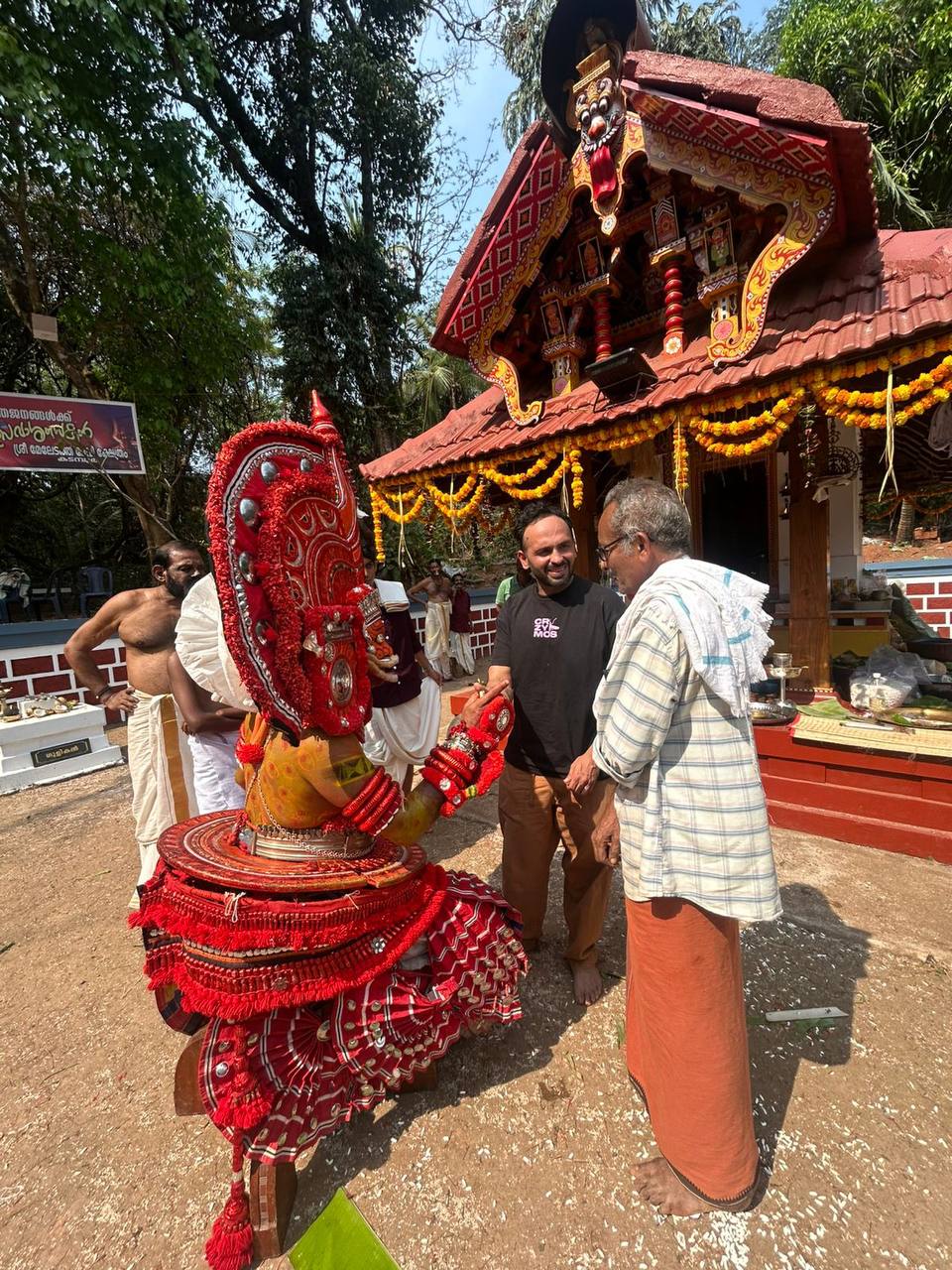
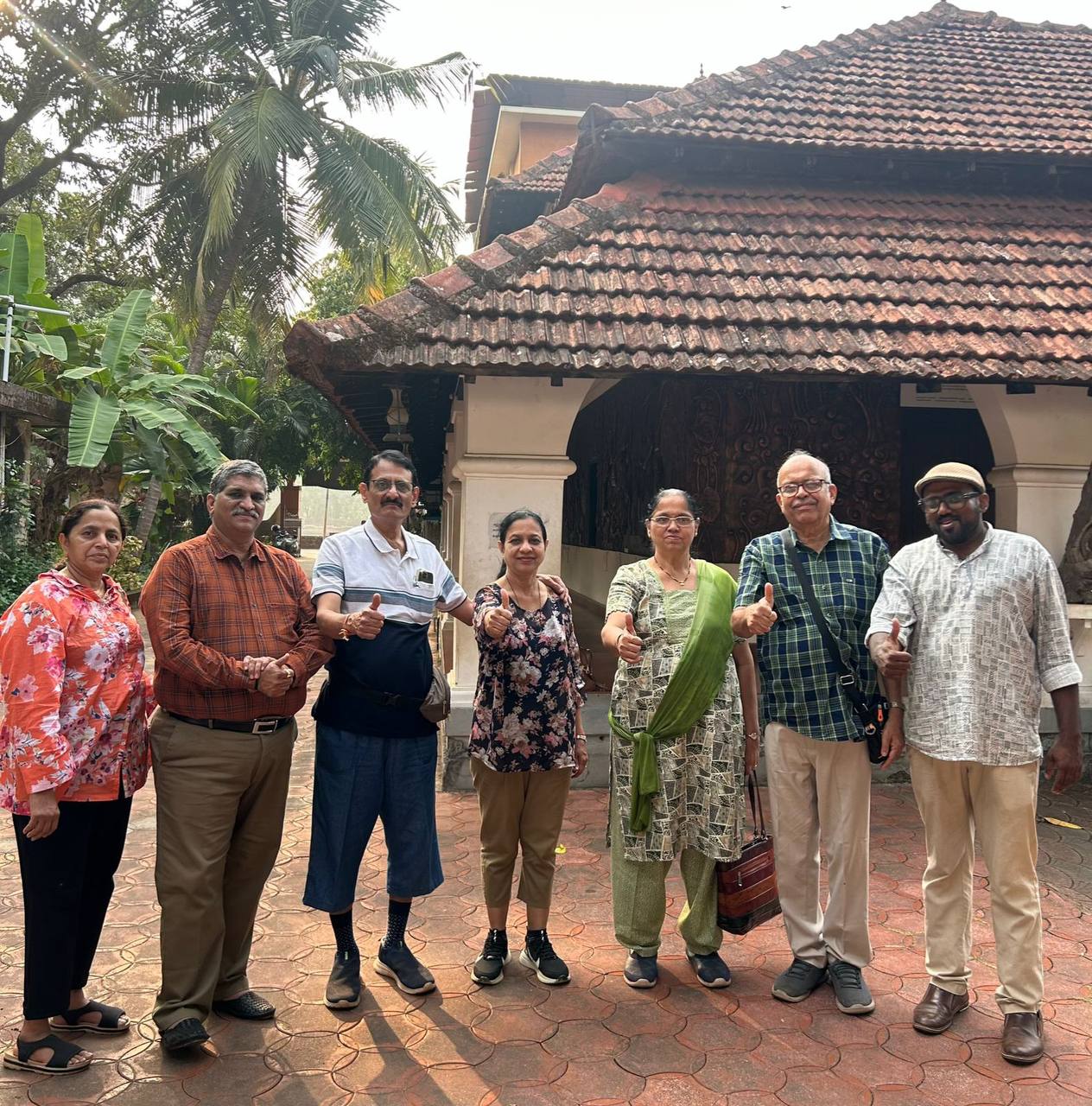
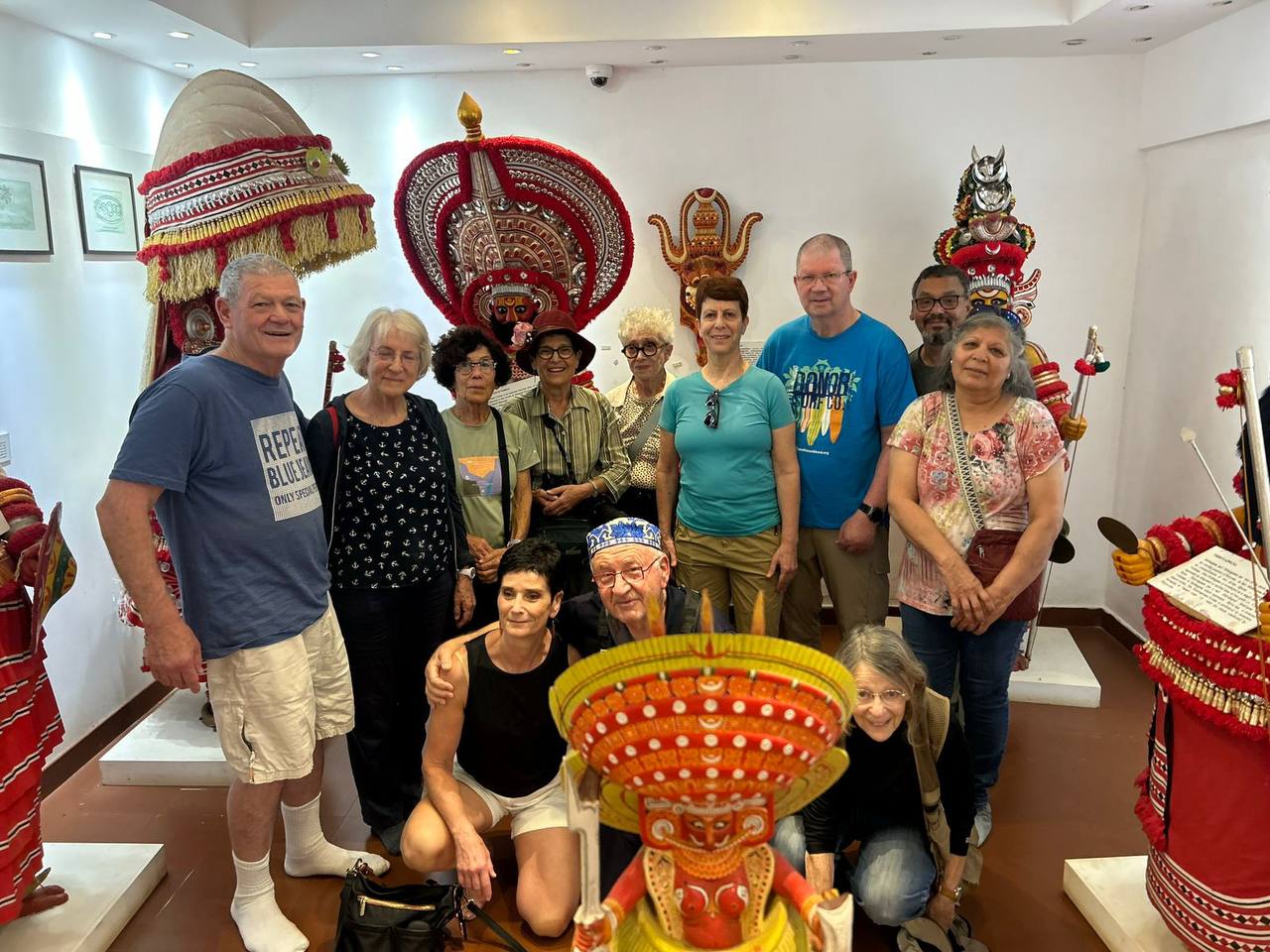
- The team experiencing Theyyam with City Heritage storyteller Muhammed Shihad
Exhibition open at The David Hall, Fort Kochi as part of VERU 2026 (2–3 May 2026)
Explore the soul of Malabar - the Theyyam. Contact us for an unforgettable experience.
Get in Touch:
Visit: www.cityheritage.in
Email: mail@cityheritage.in
Instagram: cityheritage.in
Phone: +91 7356569573, +91 8377024979




 (1).png)
© Copyright 2026 City Heritage. All rights reserved.
Website designed by TNM Online Solutions.
If you have any enquiry, feel free to ask, and we'll provide you with a prompt and concise response.